



What's Happening?
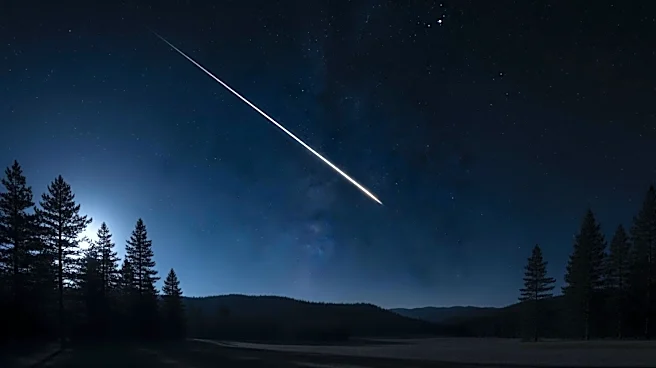
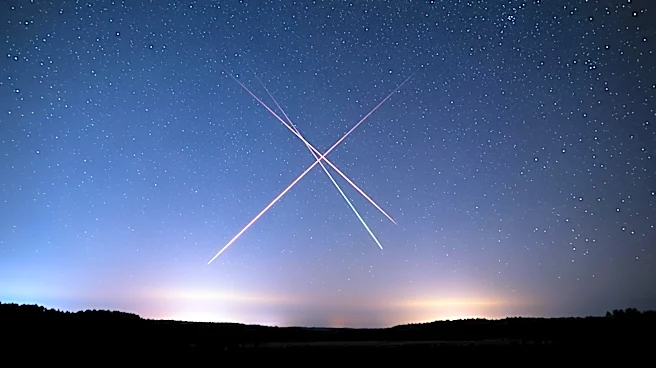
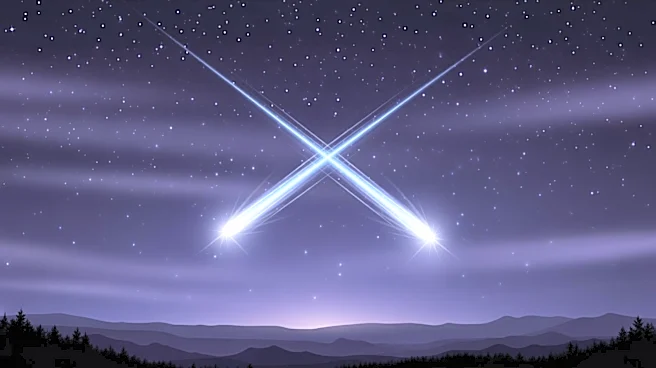
The Lyrid meteor shower is set to peak this week, offering sky gazers a chance to witness up to 20 meteors per hour. The shower, active from April 14 to 25, will reach its peak late Tuesday night into early Wednesday morning. The best viewing conditions
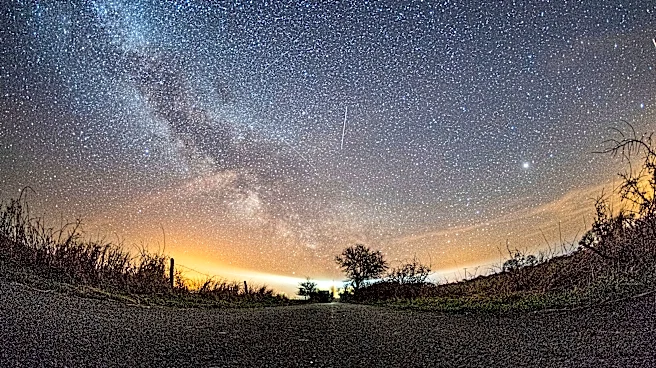
are expected in the Northern Hemisphere, with dark, moonless skies providing an ideal backdrop. To maximize the viewing experience, observers are advised to find a location away from city lights, allow their eyes to adjust to the darkness, and look towards the northeastern sky. The Lyrids are one of the oldest recorded meteor showers, ending a 16-week period without visible meteors.
Why It's Important?
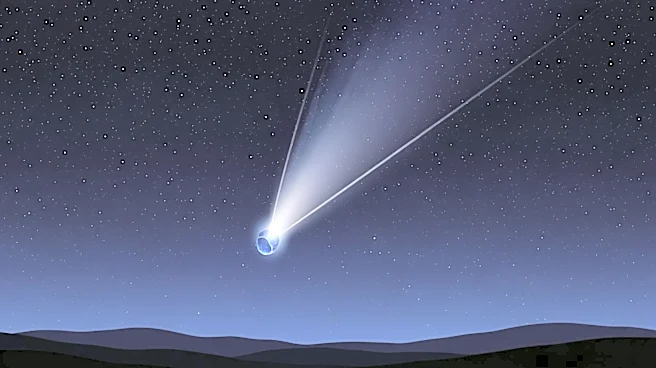
Meteor showers like the Lyrids offer a unique opportunity for both amateur and professional astronomers to observe celestial events. These showers are not only a spectacle for the public but also provide valuable data for scientists studying meteoroid streams and their interactions with Earth's atmosphere. The Lyrids, in particular, are known for their bright meteors and occasional fireballs, making them a popular event for sky watchers. This year's optimal viewing conditions enhance the experience, allowing more people to engage with and appreciate the wonders of the night sky.
What's Next?
Following the Lyrid meteor shower, the Eta Aquarids, caused by debris from Halley's Comet, will become active. This shower is expected to peak in early May and last through most of the month. Observers can look forward to another opportunity to witness meteors, with the Eta Aquarids known for their fast-moving and bright meteors. Continued interest in meteor showers can inspire public engagement with astronomy and encourage further exploration of space phenomena.