





What's Happening?
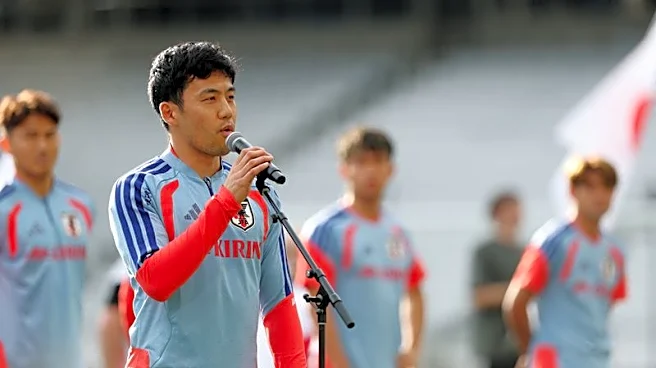
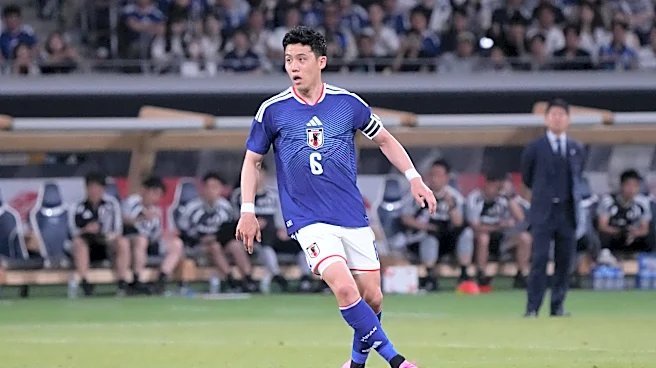
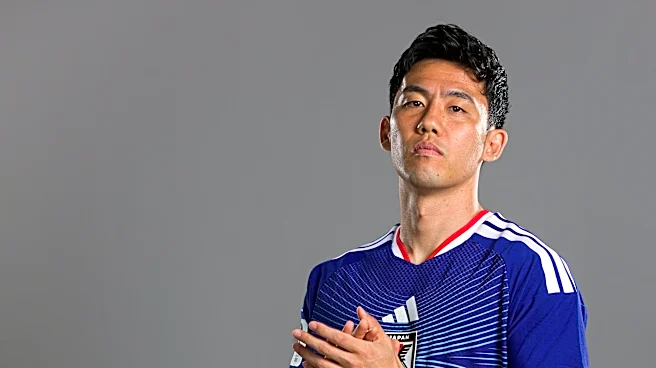
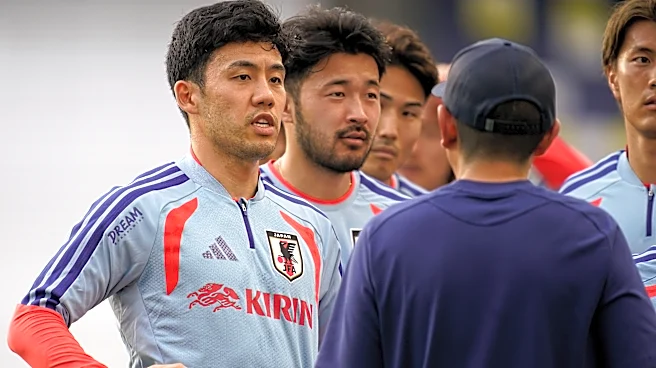
Japanese national soccer team captain Wataru Endo has withdrawn from the World Cup due to an ankle injury, leading to his retirement from international competition. Coach Hajime Moriyasu has publicly taken responsibility for the decision, stating that
it was ultimately his call after consulting with medical staff. Endo, a 33-year-old midfielder for Liverpool, had undergone surgery in February and was unable to perform effectively in a recent friendly match against Iceland. Despite efforts to manage his condition, Moriyasu decided it was best for Endo to step down, acknowledging the difficulty of the decision. Endo has been a significant player for Japan, scoring four goals in 73 appearances since his debut in 2015. His replacement on the World Cup roster is Shuto Machino, a striker for Borussia Monchengladbach.
Why It's Important?
Endo's withdrawal and subsequent retirement mark a significant change for the Japanese national team, as he has been a key player and leader. His absence could impact Japan's performance in the World Cup, where they are set to face strong teams like the Netherlands, Tunisia, and Sweden. The decision highlights the challenges teams face in managing player health and readiness for major tournaments. Moriyasu's acceptance of responsibility underscores the pressures on coaches to make difficult decisions that balance player welfare with team success. Endo's retirement also signals a transition period for the team, as they will need to adapt to his absence and integrate new players like Machino.
What's Next?
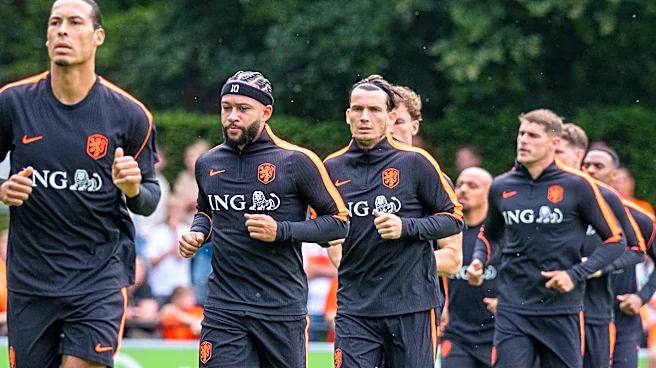
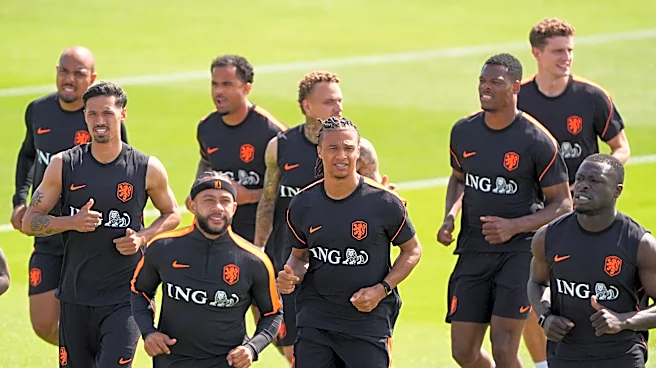
Japan will begin their World Cup campaign against the Netherlands in Arlington, Texas. The team will need to adjust quickly to the absence of their captain and find ways to maintain their competitive edge. Coach Moriyasu will likely focus on team cohesion and strategy to compensate for Endo's leadership and experience. The upcoming matches against Tunisia and Sweden will further test Japan's ability to adapt and perform without one of their key players. Fans and analysts will be watching closely to see how the team navigates these challenges and whether they can advance beyond the group stage.
Beyond the Headlines
Endo's retirement from international play raises questions about the long-term impact on the Japanese national team. His leadership and experience have been integral to the team's success, and his departure may necessitate a reevaluation of team dynamics and strategy. The situation also highlights broader issues in sports regarding player health management and the pressures athletes face in balancing career longevity with immediate performance demands. As Japan looks to the future, they may need to invest in developing new talent and leadership to fill the void left by Endo.