


What's Happening?
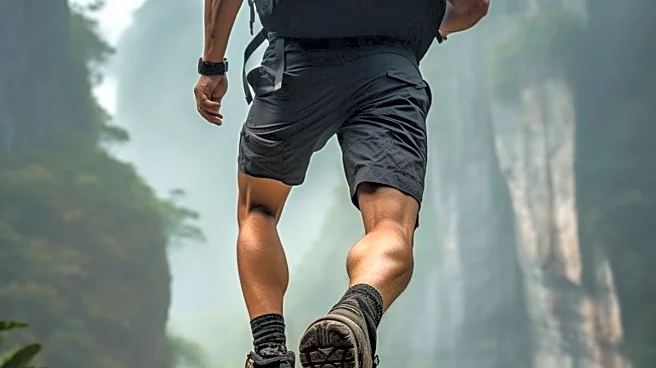
Rucking, a fitness activity involving walking with weight on one's back, is gaining traction as a practical and sustainable exercise trend. The activity is highlighted in a discussion with Michael Easter, author of the upcoming book 'Walk With Weight: The Definitive Guide to Rucking.' Easter explains that rucking offers a straightforward way to enhance physical fitness by combining cardiovascular exercise with strength training. The simplicity of rucking, which requires minimal equipment beyond a backpack and weights, makes it accessible to a wide audience. The activity is praised for its ability to improve endurance, build muscle, and promote overall health. Rucking is also noted for its versatility, as it can be adapted to various fitness levels
and environments, from urban settings to natural trails.
Why It's Important?
The rise of rucking as a fitness trend reflects a growing interest in practical and accessible forms of exercise. As people seek ways to incorporate physical activity into their daily routines, rucking offers a cost-effective and flexible option. The trend aligns with broader health and wellness movements that emphasize functional fitness and outdoor activities. By promoting cardiovascular health and muscle strength, rucking can contribute to improved physical well-being and reduced healthcare costs. Additionally, the activity's adaptability makes it suitable for diverse populations, including those new to exercise or recovering from injuries. As more individuals embrace rucking, it could influence the fitness industry by encouraging the development of related products and services.
What's Next?
As rucking continues to gain popularity, it is likely to inspire new fitness programs and community events centered around the activity. Fitness professionals may incorporate rucking into training regimens, offering classes or workshops to teach proper techniques and safety measures. The trend could also lead to increased demand for specialized gear, such as weighted backpacks and supportive footwear. Additionally, public health campaigns might promote rucking as a way to encourage physical activity among sedentary populations. As the trend evolves, research into the long-term health benefits of rucking could further validate its effectiveness and encourage wider adoption.