



What's Happening?
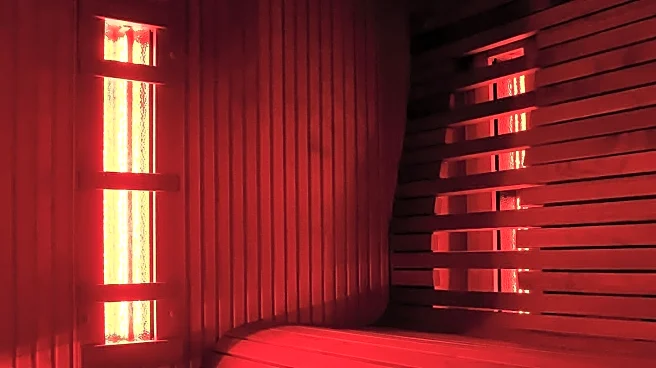
The Ammortal Chamber, showcased at SXSW, is a high-end wellness device priced at $160,000. It combines red and infrared light therapy, molecular hydrogen inhalation, guided meditation, vibroacoustic sound therapy, and pulsed electromagnetic field therapy.
Users lie on a zero-gravity glass bed surrounded by infrared lights, experiencing a range of sensory inputs designed to rejuvenate the body and mind. The chamber is marketed as a luxury spa treatment, with some NFL teams reportedly using it for player recovery. Despite its high cost, the chamber is accessible to spa-goers as part of a broader wellness offering.
Why It's Important?
The introduction of the Ammortal Chamber highlights the growing trend of luxury wellness technologies targeting affluent consumers. Its use by professional sports teams underscores the increasing integration of advanced recovery technologies in athletic training. This development reflects a broader societal focus on health and wellness, where cutting-edge treatments are becoming more mainstream. However, the high cost raises questions about accessibility and the commercialization of wellness, potentially widening the gap between those who can afford such treatments and those who cannot.
What's Next?
As the wellness industry continues to evolve, similar high-tech devices may become more prevalent in luxury spas and athletic facilities. The success of the Ammortal Chamber could inspire further innovation in the field, potentially leading to more affordable versions for a wider audience. Stakeholders in the wellness and sports industries may closely monitor the chamber's impact on recovery and performance, influencing future investments in similar technologies.
Beyond the Headlines
The Ammortal Chamber's emergence raises ethical considerations about the commodification of wellness and the potential for such technologies to exacerbate social inequalities. As these devices become status symbols, there may be increased scrutiny on their actual health benefits versus their perceived luxury appeal. The wellness industry may face pressure to demonstrate the efficacy of such treatments to justify their high costs.