







What's Happening?
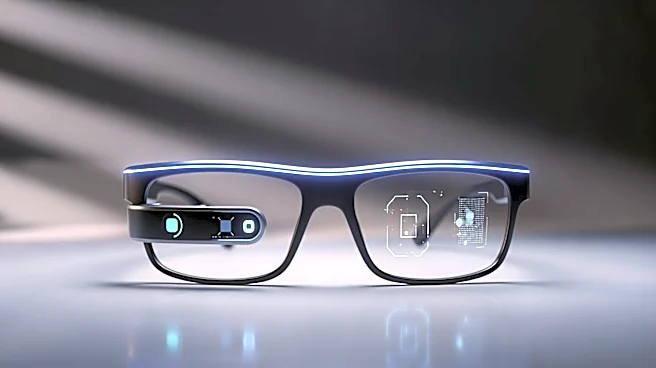
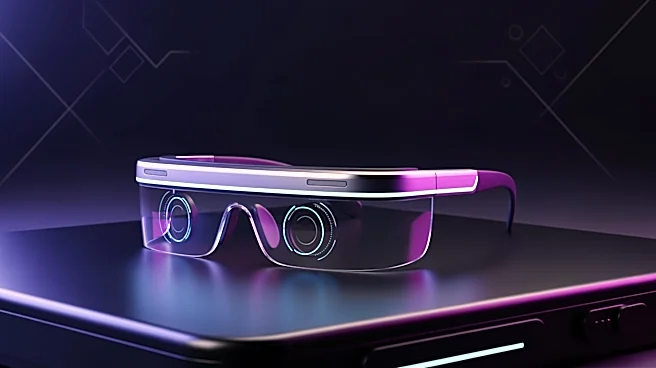
The Viture Beast XR glasses are a new development in the realm of extended reality (XR) technology, designed to provide users with a portable, immersive display experience. These glasses feature a 1200p combined display and embedded speakers, offering
a unique way to engage with digital content. The glasses project a large virtual screen in front of the user's eyes, simulating a 174-inch display. They are compatible with various devices that support USB-C display output, such as smartphones, tablets, and gaming consoles. The glasses are particularly beneficial for handheld gaming, allowing users to enjoy a large-screen experience without the need for a physical monitor. The Viture Beast XR glasses are priced at $549, with an additional $99 for a mobile dock compatible with the Nintendo Switch 2.
Why It's Important?
The introduction of the Viture Beast XR glasses represents a significant advancement in portable display technology, particularly for gaming enthusiasts. As handheld gaming continues to grow in popularity, these glasses offer a solution to the limitations of small screens, enhancing the gaming experience by providing a larger, more immersive display. This technology could potentially transform how users interact with digital content, making it more accessible and engaging. The glasses also highlight the ongoing trend of integrating XR technology into consumer electronics, which could lead to broader applications in various fields, including entertainment, education, and remote work.
What's Next?
As XR technology continues to evolve, it is likely that we will see further improvements in the design and functionality of devices like the Viture Beast XR glasses. Future iterations may address current limitations, such as display resolution and comfort for extended use. Additionally, as more devices become compatible with XR technology, we can expect an increase in consumer adoption and a wider range of applications. Companies may also explore integrating XR features into other consumer electronics, potentially leading to new innovations in how we interact with digital content.