







What's Happening?
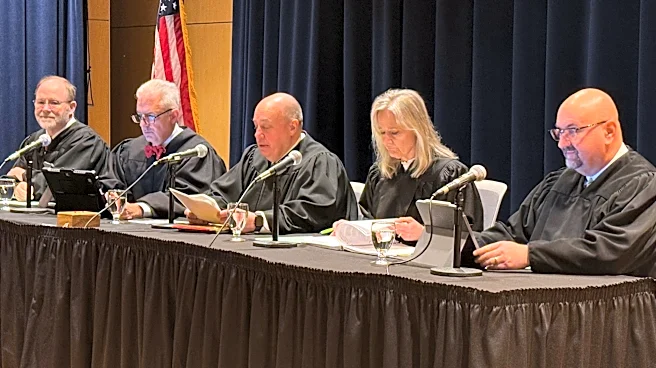
The president of the Federal Supreme Court, Minister Edson Fachin, has suspended a decision by Judge Rômulo de Araújo Mendes that prohibited the sale of movable assets and public properties in the Federal District. This decision was initially made to
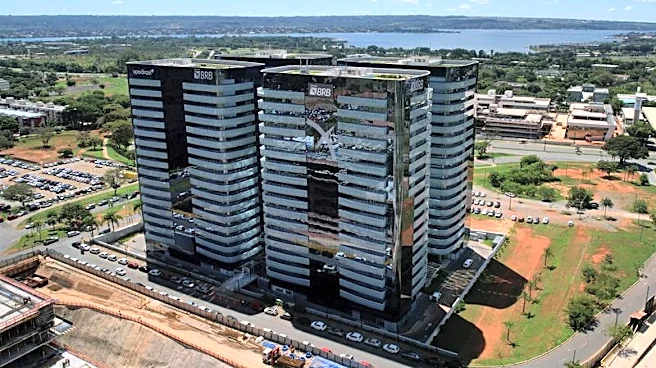
aid the capitalization of Banco de Brasília (BRB), which is experiencing a significant financial crisis. The suspension of the ban will be reviewed by the Plenary in a virtual session scheduled between May 8 and 15. The original ruling by the Court of Justice of the Federal District and Territories had halted sections of a law intended to bolster BRB's capital, which is struggling with a R$12 billion loss due to 'bad assets' acquired from Banco Master. The Federal District government argues that the initial decision disrupts administrative order and undermines the constitutional powers of the Executive Branch.
Why It's Important?
This development is crucial as it addresses the financial stability of Banco de Brasília, a key financial institution in the region. The suspension of the ban allows the government to proceed with asset sales, potentially stabilizing BRB's financial situation. This move could prevent further economic disruption in the Federal District, safeguarding jobs and maintaining investor confidence. The decision also highlights the tension between judicial rulings and executive actions, emphasizing the balance of power within the government. The outcome of the Plenary session will be pivotal in determining the future financial strategy for BRB and could set a precedent for how similar financial crises are managed in the future.
What's Next?
The upcoming Plenary session will be critical in deciding whether the suspension of the ban will be upheld. If the suspension is confirmed, the Federal District government will likely proceed with the sale of assets to support BRB. This could lead to a stabilization of the bank's financial status and potentially restore confidence among stakeholders. However, if the suspension is overturned, the government may need to explore alternative strategies to address the financial crisis. Stakeholders, including investors and employees, will be closely monitoring the situation, as the decision will have significant implications for the region's economic health.