




What's Happening?
HR leaders are being advised to prioritize strategic workforce planning and employee wellbeing as core business strategies to remain competitive. The current economic landscape, marked by uncertainty and skills shortages, necessitates a shift from reactive
to proactive workforce management. This involves focusing on long-term capability building and internal development rather than short-term hiring. Additionally, embedding wellbeing into the work structure, rather than treating it as a separate initiative, is emphasized. This approach aims to enhance employee engagement, reduce absenteeism, and improve overall performance.
Why It's Important?
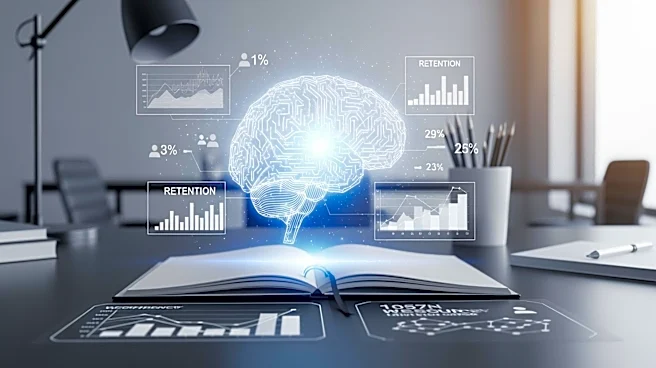
The integration of workforce planning and wellbeing is crucial for organizational resilience and competitiveness. Effective workforce planning addresses skills gaps and reduces pressure on employees, directly impacting their wellbeing. Organizations that successfully align these strategies can expect higher employee retention and performance. This alignment also positions HR leaders to better anticipate and design for future challenges, ensuring sustainable growth and stability in a volatile economic environment.
What's Next?
Organizations are expected to increasingly focus on internal development and cross-skilling to mitigate risks associated with skills shortages. HR leaders will likely play a pivotal role in designing workforce plans that support sustainable workloads and growth without compromising employee wellbeing. The shift towards embedding wellbeing into the organizational culture will require training managers to support their teams effectively, ensuring psychological safety and meaningful wellbeing measurement.