


What's Happening?
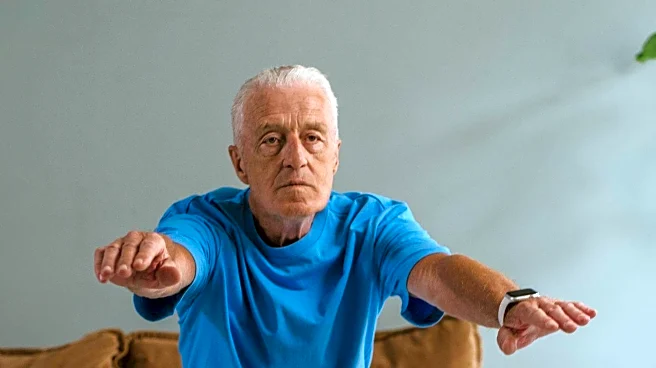
Casey Lee, a board-certified geriatric physical therapist at ATI Physical Therapy, emphasizes the importance of staying active to prevent frailty and maintain independence in older adults. According to Lee, functional strength typically begins to decline between the ages of 50 and 60 due to factors such as increased fat infiltration in muscle tissue, loss of fast-twitch muscle fibers, and reduced motor neuron function. Lee highlights that inactivity accelerates the aging process, as one in four U.S. adults over 50 report being inactive. She advises older adults to continue challenging themselves physically, even if it means lifting heavy objects or engaging in regular movement throughout the day. Lee also warns against activity avoidance, which
can lead to a self-perpetuating cycle of fear and inactivity, further accelerating aging.
Why It's Important?
The insights provided by Casey Lee are crucial as they address a significant public health concern: the physical decline associated with aging. By promoting active lifestyles, older adults can potentially reduce healthcare costs and improve their quality of life. The advice to maintain physical activity is particularly relevant given the aging U.S. population, where a significant portion is at risk of frailty and related health issues. Encouraging movement and strength-building activities can help mitigate the risks of falls and injuries, which are common among the elderly. This approach not only benefits individuals but also alleviates the burden on healthcare systems by potentially reducing the incidence of age-related health complications.
What's Next?
Older adults are encouraged to seek guidance from licensed physical therapists to develop personalized exercise plans that cater to their abilities and health conditions. This professional support can help them overcome fear-related inactivity and build confidence in their physical capabilities. As awareness of the benefits of active aging grows, there may be increased demand for community programs and resources that support physical activity among seniors. Healthcare providers and policymakers might also focus on creating environments that facilitate safe and accessible exercise opportunities for the elderly.
Beyond the Headlines
The emphasis on active aging highlights broader societal shifts towards preventive healthcare and wellness. As more individuals adopt active lifestyles, there could be cultural changes in how aging is perceived, moving away from a focus on decline to one of empowerment and vitality. This shift may also influence the development of age-friendly infrastructure and policies that support active living for seniors, such as improved public spaces and transportation options that accommodate physical activity.