
What's Happening?
The Federal Railroad Administration has approved a waiver allowing U.S. freight railroads to reduce the frequency of manual track inspections and rely more on automated technology. This decision comes
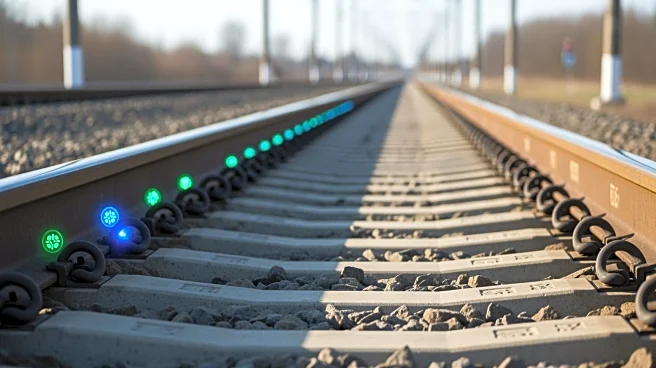
after the Association of American Railroads requested relief from inspection requirements dating back to 1971, arguing that modern technology is effective in early problem detection. The waiver permits railroads to conduct manual inspections once a week instead of twice, while automated systems will continue to monitor track conditions. However, the administration mandates immediate repair of serious defects and a 24-hour window for addressing other issues.
Why It's Important?
This shift towards technology-driven inspections could significantly impact the safety and efficiency of railroad operations. Proponents argue that automated systems enhance safety by detecting more defects than manual inspections. However, the union representing track inspectors warns that technology cannot replace the nuanced judgment of human inspectors, potentially increasing derailment risks. The decision reflects broader trends in industries adopting technology to improve operations, though it raises concerns about job security and safety standards.
Beyond the Headlines
The move to reduce manual inspections in favor of technology highlights ongoing debates about the role of automation in traditional industries. While technology promises efficiency and cost savings, it also challenges existing labor practices and safety protocols. The decision may set a precedent for other sectors considering similar shifts, prompting discussions about balancing technological advancements with human oversight to ensure safety and reliability.