

What's Happening?
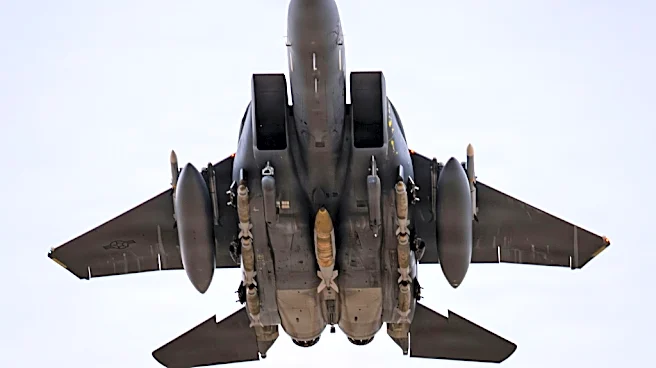
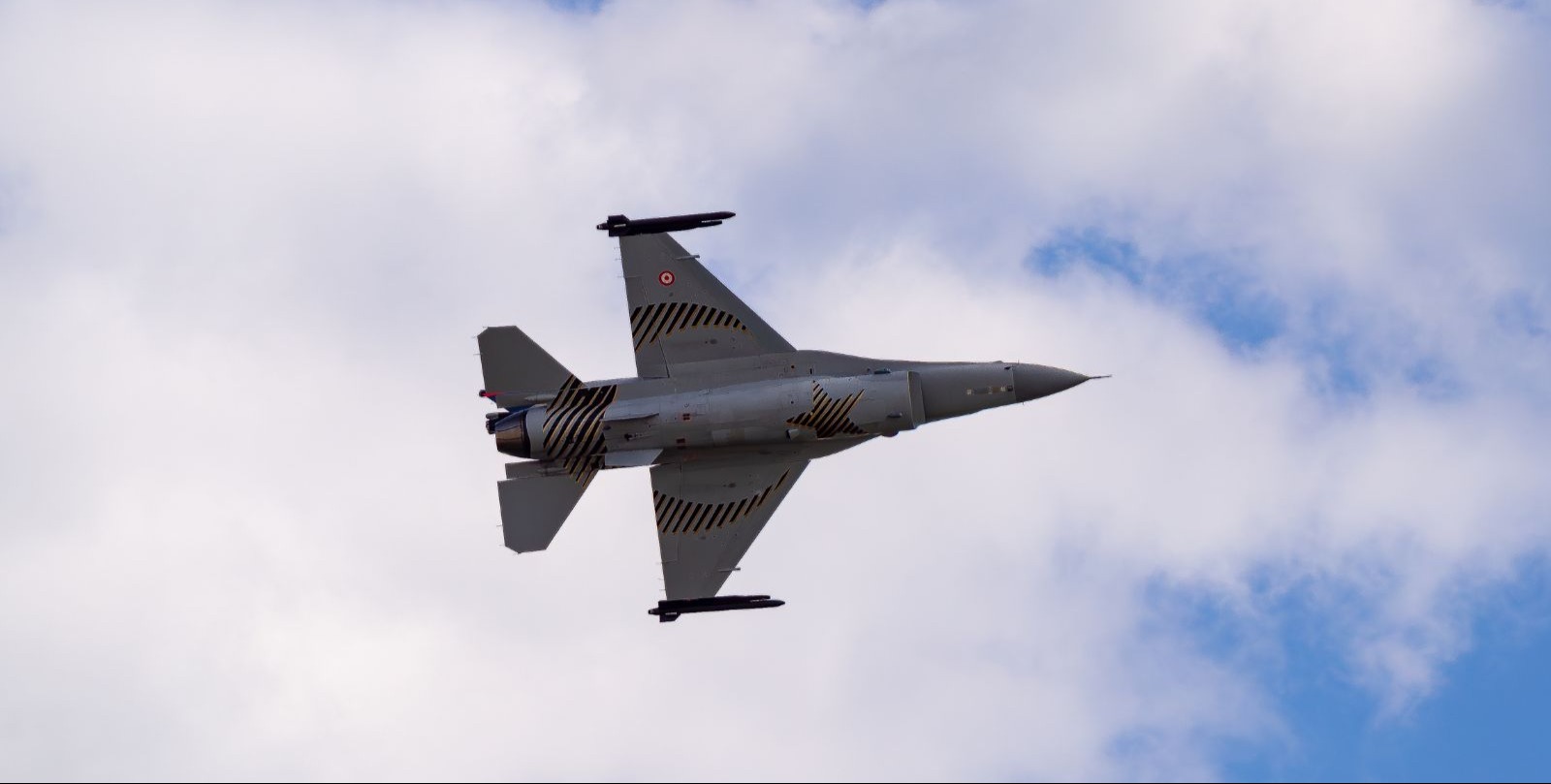
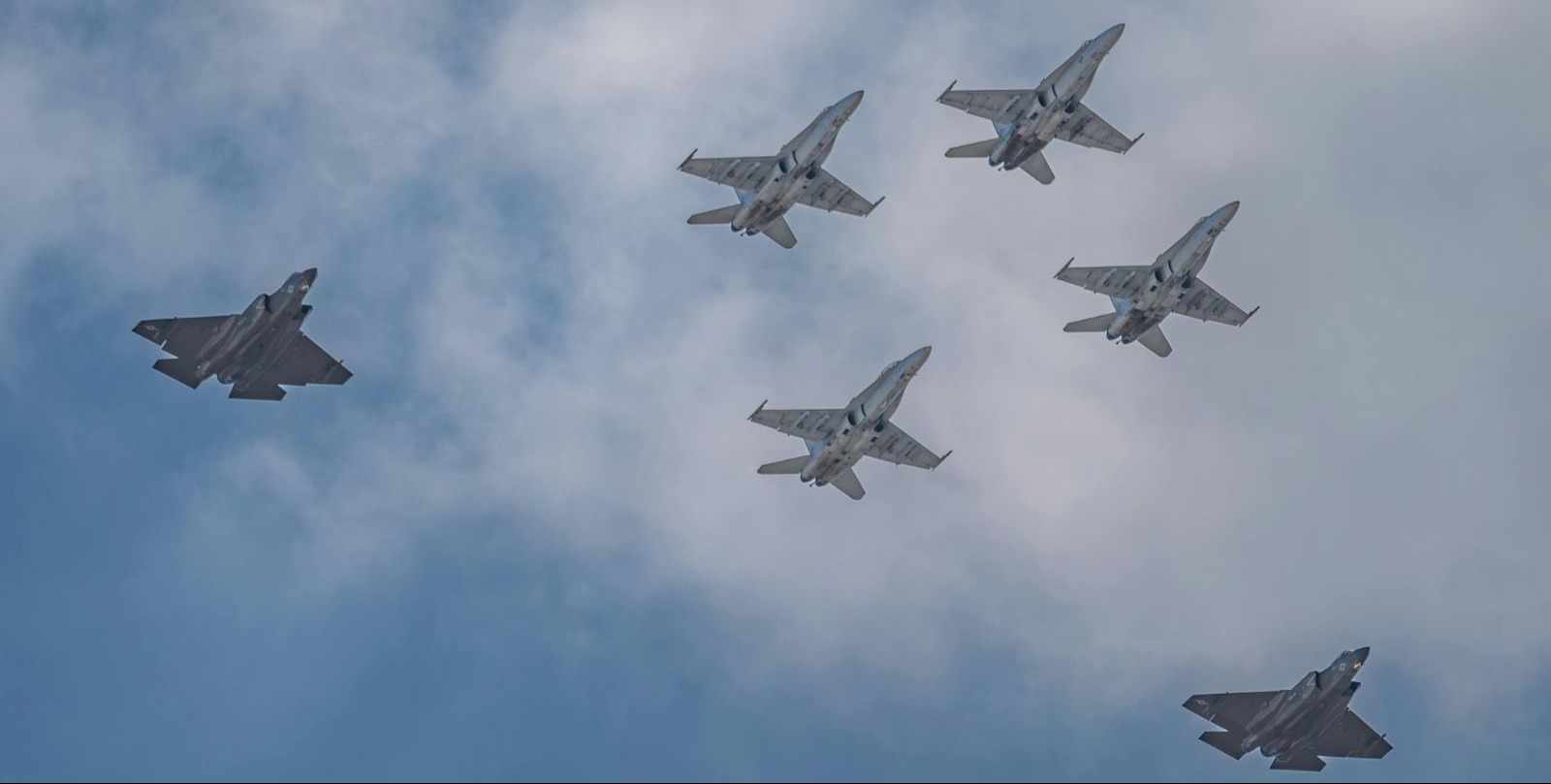
OPEC+ is contemplating an increase in oil production, despite the ongoing U.S.-Israeli conflict with Iran that has severely disrupted global oil supply. The conflict has effectively closed the Strait of Hormuz, a critical oil transit route, since late
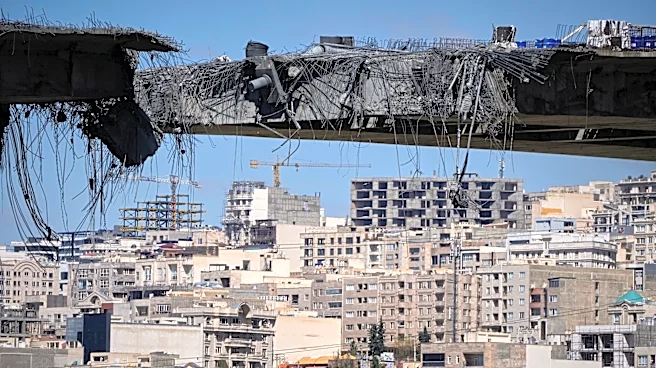
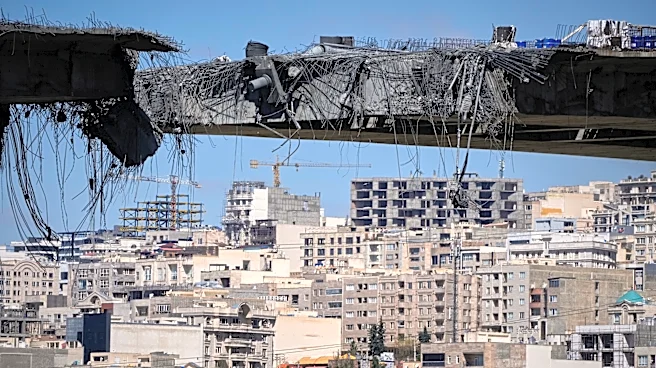
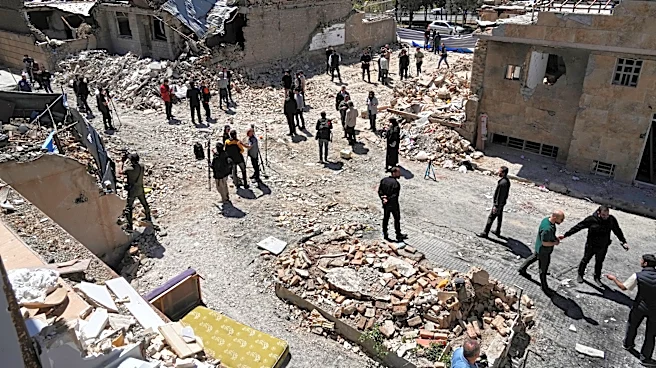
February, significantly reducing exports from key OPEC+ members such as Saudi Arabia, the UAE, Kuwait, and Iraq. These countries were among the few capable of boosting production before the conflict. The war has also inflicted severe damage on infrastructure within the Gulf, with missile and drone attacks exacerbating the situation. As a result, the largest oil supply disruption on record has removed an estimated 12 to 15 million barrels per day from the market, accounting for up to 15% of global supply. Crude oil prices have surged to a four-year high, with potential to exceed $150 per barrel if the disruption continues.
Why It's Important?
The potential increase in oil output by OPEC+ is significant as it highlights the group's readiness to stabilize the market once the Strait of Hormuz reopens. However, the increase is largely symbolic under current conditions, as the ongoing conflict and infrastructure damage prevent immediate production boosts. The disruption has led to soaring oil prices, impacting global economies and potentially leading to increased costs for consumers and businesses. The situation underscores the vulnerability of global energy markets to geopolitical conflicts and the critical role of the Strait of Hormuz in global oil supply. The U.S. and other nations reliant on oil imports may face economic challenges if prices continue to rise, affecting inflation and economic growth.
What's Next?
OPEC+ is set to discuss production quotas for May, with any increase likely to be more of a signal of intent rather than an immediate solution to the supply disruption. The group's ability to raise output will depend on the resolution of the conflict and the reopening of the Strait of Hormuz. Stakeholders, including oil-importing countries and global markets, will be closely monitoring the situation for any signs of resolution or further escalation. The ongoing conflict may prompt discussions on alternative energy sources and strategies to reduce dependency on oil from conflict-prone regions.