
What's Happening?
The agriculture equipment market is projected to experience significant growth from 2026 to 2032, with its market value expected to increase from USD 191.52 billion in 2026 to USD 277.13 billion by 2032.
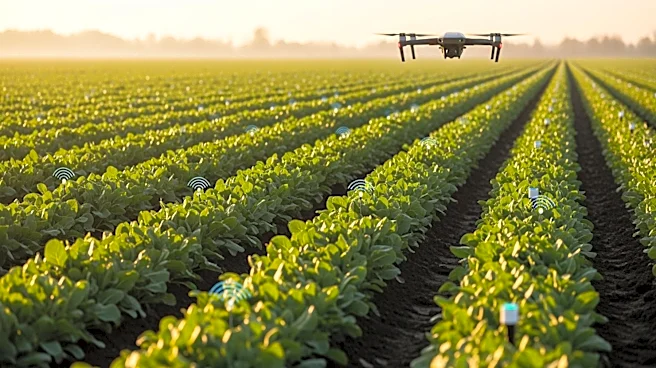
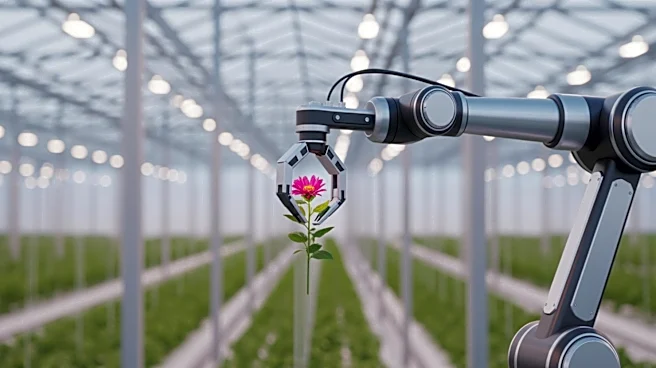
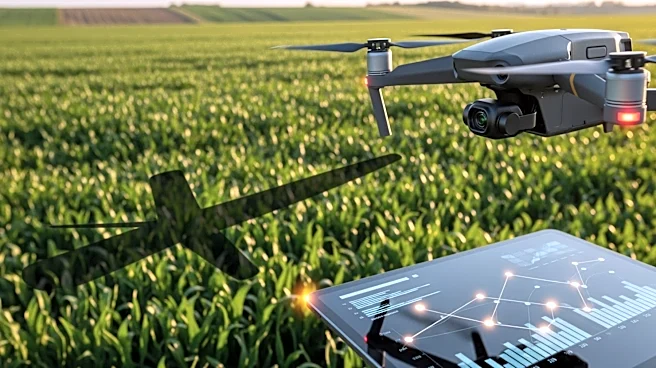
This growth is driven by advancements in technology, sustainability initiatives, and innovative financing solutions. The industry is undergoing a transformation as it adapts to technological advancements, sustainability pressures, and the need for operational flexibility. Key players in the market are focusing on automation, digital infrastructure improvements, and advanced logistics to meet evolving customer demands. The adoption of modular and digital equipment is providing resilience against regulatory and environmental pressures, while telematics and service models are enhancing operational transparency and maintenance planning.
Why It's Important?
The projected growth in the agriculture equipment market is significant for several reasons. It highlights the increasing importance of technology and sustainability in modern agriculture, which are crucial for addressing global food security challenges. The focus on automation and digital infrastructure can lead to more efficient farming practices, reducing costs and increasing productivity. This growth also reflects a shift towards more sustainable agricultural practices, which can help mitigate environmental impacts. Additionally, the expansion of innovative financing options, such as equipment leasing and subscription services, can make advanced agricultural technologies more accessible to a broader range of farmers, potentially leveling the playing field in the industry.
What's Next?
As the agriculture equipment market continues to grow, stakeholders can expect further advancements in technology and sustainability. Manufacturers, technology experts, and financial services are likely to collaborate more closely to develop comprehensive solutions that extend market reach. The focus on automation and electrification initiatives will likely continue, aligning operations with sustainability and cost-efficiency goals. Additionally, the industry may see increased consolidation, improving support networks and customer engagement through online sales and remote diagnostics. These developments could lead to a more resilient and adaptable agriculture sector, better equipped to meet future challenges.