





What's Happening?
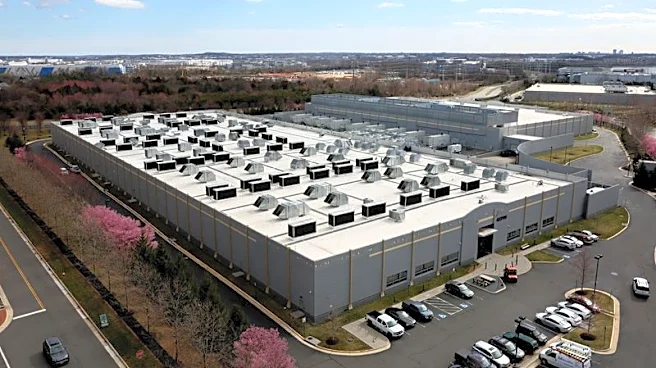
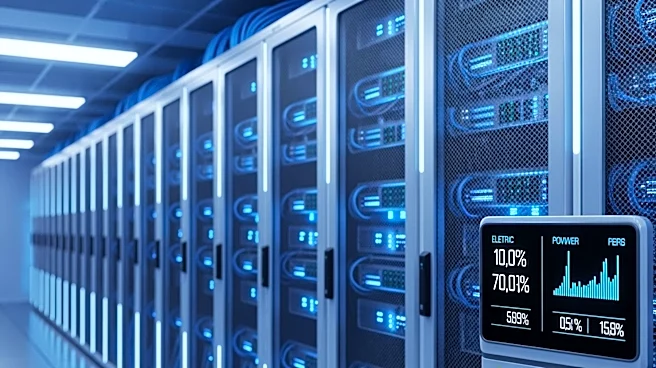
The U.S. Energy Information Administration reports a significant increase in electricity demand, driven by the expansion of digital infrastructure, particularly AI and data centers. This surge is expected to push power consumption to record highs in 2026
and 2027. Unlike traditional demand cycles, AI-driven computing requires continuous, high-density power loads, leading to a structural change in electricity consumption. Data centers are becoming core drivers of system demand, necessitating reliable, 24/7 power. This shift is creating a more persistent demand base, impacting how the energy system operates.
Why It's Important?
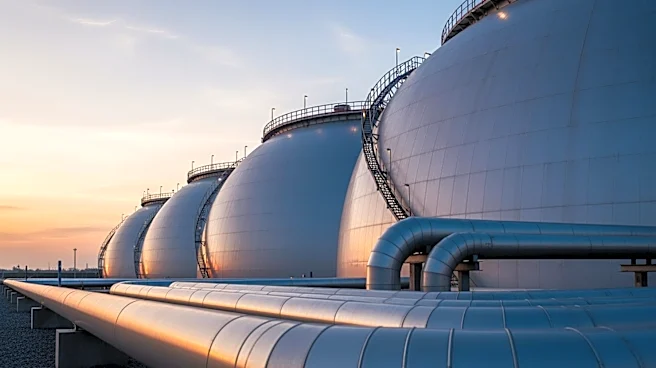
The rising power demand from AI and data centers is reshaping the energy market, with implications for generation capacity, grid dynamics, and energy pricing. The need for constant, uninterrupted power is challenging the alignment of renewable energy supply with demand, increasing reliance on dispatchable generation like natural gas. This dynamic is leading to higher power prices during peak periods and greater volatility in wholesale markets. The structural shift in demand is also highlighting the importance of infrastructure, as transmission constraints and interconnection delays affect the ability to deliver new supply.
What's Next?
As electricity demand continues to grow, the energy market will need to adapt to the changing consumption patterns driven by digital infrastructure. The focus will likely shift towards ensuring reliable power delivery and addressing infrastructure challenges. Investments in transmission, storage, and dispatchable generation will be crucial to meeting the new demand profile. The ongoing expansion of AI and data centers will require a coordinated effort to balance supply and demand, with potential opportunities for flexible and dispatchable assets. The evolution of the energy market will depend on how effectively these challenges are addressed.