






What's Happening?
SpaceX's Starlink has quietly implemented a new monthly fee for its satellite internet hardware, adding to recent price hikes that have surprised customers in various markets. New customers ordering Starlink service are now charged an additional A$15
per month for the hardware kit, as per the company's ordering page. This fee currently applies only to new orders, with existing subscribers unaffected for now. Previously, Starlink provided hardware at no upfront cost, requiring equipment return upon service cancellation. The new arrangement maintains no upfront purchase but introduces a monthly charge. This change follows recent subscription price increases affecting Residential and Roam plans, as well as the Standby Mode feature. In Australia, monthly fees for most plans have risen by A$5 to A$11. The Residential 100 Mbps plan increased from A$69 to A$75, while the 200 Mbps plan rose from A$99 to A$110. Roaming plans also saw hikes, with the 100GB option increasing to about A$85 per month and the unlimited plan to A$210.
Why It's Important?
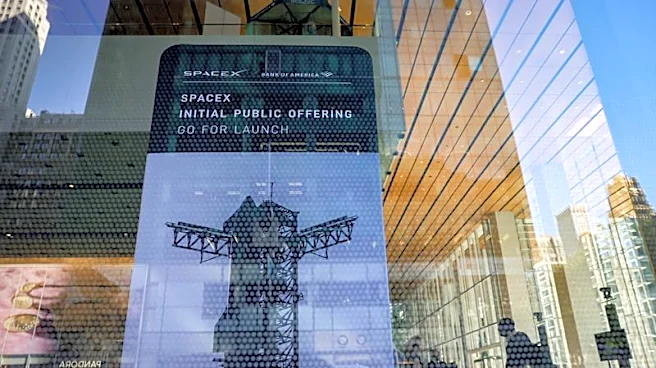
The introduction of a monthly hardware rental fee by Starlink, alongside recent price increases, could impact customer satisfaction and market competitiveness. As Starlink faces competition from upcoming services like Amazon's Project Kuiper, these pricing changes may influence consumer choices. The additional costs could deter potential customers who expected more competitive pricing as the satellite broadband market expands. Furthermore, the timing of these changes coincides with SpaceX's anticipated listing on the Nasdaq, which could become one of the largest initial public offerings on record. The company's valuation is expected to reach about US$1.75 trillion, with significant investor interest. These developments highlight the financial strategies SpaceX is employing to support its network capacity, coverage, and reliability investments.
What's Next?
As SpaceX prepares for its Nasdaq listing, the company may face scrutiny from investors and customers regarding its pricing strategies. The introduction of the hardware rental fee and subscription price increases could prompt reactions from competitors and consumers. Potential customers might explore alternative satellite internet providers, especially as new entrants like Amazon's Project Kuiper prepare to enter the market. SpaceX's ability to balance customer satisfaction with financial growth will be crucial in maintaining its market position. Additionally, the company's IPO success could influence its future investment capabilities and strategic decisions in the satellite broadband sector.