







What's Happening?
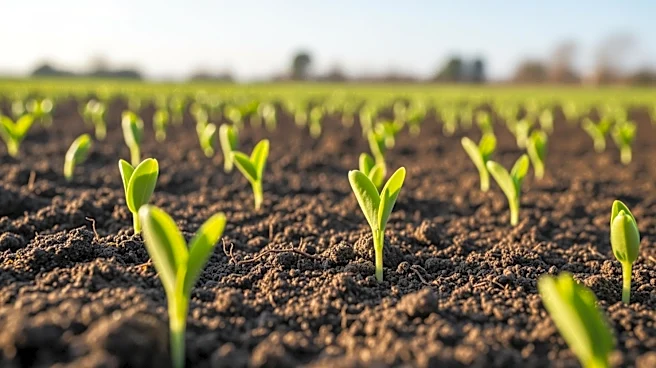
Stephen Paul, Category Director at Homegrown Organic Farms, discussed the evolving landscape of California agriculture, emphasizing regenerative organic farming during an interview on the AgNet News Hour. Paul highlighted the rapid changes in agriculture driven
by shifting markets, weather conditions, labor shortages, and consumer demand. He noted that Homegrown Organic Farms has become a leader in regenerative organic agriculture, with many of their stone fruit operations now certified in this practice. This approach focuses on soil health, biodiversity, and sustainability, although it introduces new challenges such as increased pest pressure. Paul stressed the importance of transparency and education in the food industry, as consumers increasingly seek to understand the origins and production methods of their food. He also defended conventional agriculture, noting that California growers adhere to strict standards. The discussion covered the impact of weather patterns on crop timing, with California blueberries experiencing an early season due to warm spring temperatures. Paul emphasized the need for marketing and innovation in agriculture, aligning production decisions with consumer demand and retailer partnerships.
Why It's Important?
The shift towards regenerative organic farming in California represents a significant development in sustainable agriculture, with potential long-term benefits for soil health and ecosystem stability. As consumer interest in food origins and production methods grows, transparency and education become crucial for maintaining trust and market relevance. This trend could influence agricultural practices nationwide, encouraging more farms to adopt sustainable methods. The challenges associated with regenerative farming, such as pest management, highlight the need for ongoing innovation and adaptation. Additionally, the early blueberry season underscores the impact of climate variability on agriculture, necessitating flexible strategies to manage crop timing and market supply. The emphasis on marketing and innovation reflects a broader industry trend towards consumer-driven production, which could reshape agricultural business models and supply chains.
What's Next?
As regenerative organic farming gains traction, agricultural leaders may increasingly engage in public policy and local government to ensure their voices are heard in decision-making processes. This involvement could lead to policy changes that support sustainable practices and address challenges like labor shortages and market access. The focus on transparency and consumer education may drive further innovation in traceability and communication strategies, enhancing consumer trust and loyalty. As weather patterns continue to affect crop timing, growers may invest in technologies and practices that improve resilience and adaptability. The interconnected nature of global trade, particularly in the berry industry, suggests that California agriculture will remain a key player in international markets, requiring strategic partnerships and market intelligence to navigate seasonal and demand fluctuations.
Beyond the Headlines
The move towards regenerative organic farming could have broader implications for environmental policy and land management practices. By prioritizing soil health and biodiversity, these practices may contribute to carbon sequestration and climate change mitigation efforts. The increased pest pressure associated with regenerative farming highlights the need for integrated pest management strategies that balance ecological benefits with crop protection. As consumer demand for transparency grows, the food industry may see a rise in certifications and labeling initiatives that provide detailed information about production practices. This trend could influence consumer behavior and purchasing decisions, potentially driving demand for sustainably produced goods. The emphasis on innovation and marketing in agriculture may lead to new business models that prioritize collaboration and value chain integration, fostering resilience and competitiveness in a rapidly changing market.