





What's Happening?
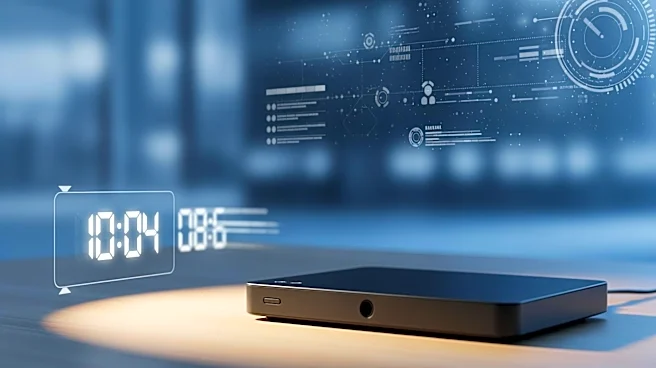
Amazon is facing a proposed class-action lawsuit filed in the Superior Court of Los Angeles County, alleging that the company has intentionally rendered older Fire TV Stick devices obsolete. The plaintiff, Bill Merewhuader, claims that Amazon's actions
have led to slower streaming speeds, difficulty navigating menus, and long load times, effectively 'bricking' the devices before the end of their useful life. The lawsuit suggests that Amazon's strategy was to push users towards purchasing newer hardware. The class action is open to U.S. residents who own first- or second-generation Fire TV Sticks as of January 1, 2023, or April 1, 2023. Amazon has not yet responded to the allegations, and the plaintiff's lawyers have refrained from further comments beyond the legal complaint.
Why It's Important?
This lawsuit highlights significant concerns about planned obsolescence in the tech industry, where companies may intentionally limit the lifespan of their products to drive sales of newer models. If the allegations are proven, it could lead to increased scrutiny and regulatory actions against tech companies, potentially affecting their business practices and consumer trust. For consumers, this case underscores the importance of transparency regarding product longevity and performance. A ruling against Amazon could set a precedent, encouraging other tech companies to ensure longer support and functionality for their devices, ultimately benefiting consumers by extending the useful life of their purchases.
What's Next?
The outcome of this lawsuit could prompt Amazon to reconsider its product lifecycle strategies and possibly lead to settlements or changes in how it markets and supports its devices. If the class action gains traction, it may encourage other consumers to join, increasing pressure on Amazon. Additionally, regulatory bodies might take a closer look at similar practices across the tech industry, potentially leading to new guidelines or regulations aimed at protecting consumers from planned obsolescence. The case could also influence consumer behavior, making them more cautious about purchasing devices from companies with a history of such practices.