



What's Happening?
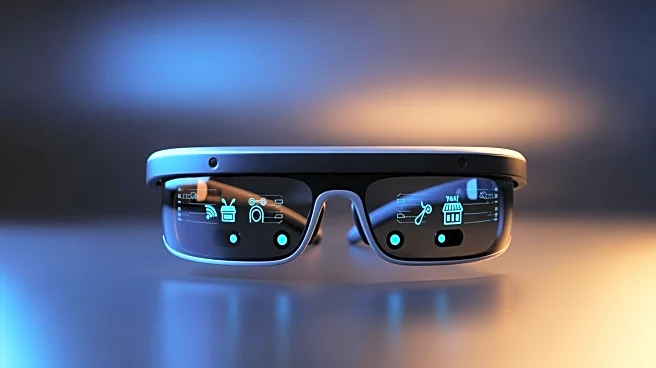
In 2026, significant developments in augmented reality (AR) technology are reshaping the landscape, with major players like Amazon and Meta making strategic moves. Amazon is reportedly developing consumer AR glasses, potentially transforming e-commerce into a competitive hardware arena. This move could challenge existing players by integrating retail experiences directly into AR devices. Meanwhile, Meta has delayed the rollout of its Ray-Ban Display glasses, highlighting supply and demand challenges. Despite the delay, these glasses remain a focal point for AR enthusiasts, with third-party apps and features offering a glimpse into their potential. Snap has also announced a new smart-glasses unit, backed by a $3 billion investment, aiming to accelerate
consumer releases and shift focus from demos to real consumer applications.
Why It's Important?
These developments underscore a pivotal moment for AR technology, particularly in the retail sector. Amazon's entry into the AR glasses market could disrupt traditional retail models by offering immersive shopping experiences, potentially increasing consumer engagement and sales. Meta's delay, while a setback, indicates the high demand and interest in AR technology, suggesting a robust market once supply issues are resolved. Snap's investment signals a commitment to making AR more accessible to everyday consumers, which could drive widespread adoption. These moves collectively highlight a trend towards integrating AR into daily life, impacting how consumers interact with technology and shop online.
What's Next?
As these companies continue to develop and refine their AR offerings, the market is likely to see increased competition and innovation. Amazon's potential to undercut competitors on price and integrate AR with its vast retail ecosystem could set new standards for consumer expectations. Meta's focus on third-party app development may foster a rich ecosystem of applications that enhance the functionality of its AR glasses. Snap's consumer-focused approach could lead to broader adoption and new use cases for AR technology. Stakeholders, including developers and retailers, will need to adapt to these changes, potentially leading to new partnerships and business models.