



What's Happening?
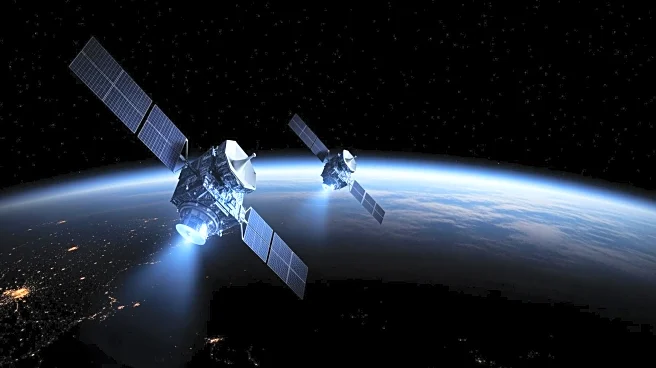
SpaceX successfully launched the Starlink 6-103 mission on February 16, 2026, from Cape Canaveral Space Force Station, adding 29 satellites to its growing constellation. This launch brings the total number of Starlink satellites to over 9,600, furthering SpaceX's goal of providing global broadband internet access. Despite challenging weather conditions, including high winds and thunderstorms, the Falcon 9 rocket lifted off successfully, demonstrating SpaceX's capability to adapt to adverse conditions. The mission is part of SpaceX's broader ambition to connect underserved regions with reliable internet, showcasing the potential of large-scale satellite constellations to revolutionize global connectivity.
Why It's Important?
The expansion of the Starlink network
is significant as it aims to provide high-speed internet to remote and underserved areas, potentially transforming global internet access. This development is crucial for regions where traditional infrastructure is lacking, offering new opportunities for economic growth and access to information. SpaceX's success in overcoming weather challenges also highlights the company's growing expertise in space operations, reinforcing its position as a leader in commercial spaceflight. The continued expansion of Starlink could lead to increased competition in the telecommunications industry, driving innovation and potentially lowering costs for consumers.
What's Next?
SpaceX plans to continue expanding its Starlink constellation, with more launches scheduled to increase coverage and improve service quality. The company is also focused on enhancing the reusability of its Falcon 9 rockets, which could further reduce costs and increase the frequency of launches. As the network grows, SpaceX will likely face regulatory challenges and competition from other satellite internet providers. The success of these initiatives could pave the way for future advancements in satellite technology and global connectivity.