

What's Happening?
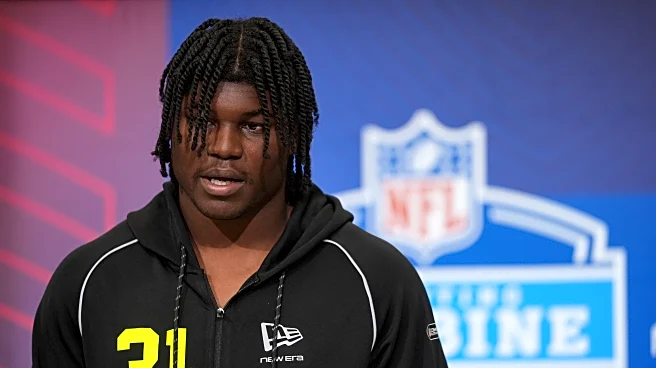
The University of Cincinnati has filed a lawsuit against former Bearcats quarterback Brendan Sorsby, accusing him of breaching his name, image, and likeness (NIL) contract after transferring to Texas Tech. The lawsuit, filed in the U.S. District Court
for the Southern District of Ohio, claims Sorsby violated a NIL agreement signed in July 2025, which included a $1 million buyout clause if he transferred before completing two seasons with the team. Sorsby announced his transfer to Texas Tech in January 2026, after receiving a $5 million deal. Cincinnati Athletics stated their intention to enforce the contractual commitment, emphasizing the importance of honoring agreements with student-athletes. Sorsby’s agent, Ron Slavin, argues that the legal action is misguided and plans to contest the lawsuit, highlighting Sorsby’s significant contributions to the program.
Why It's Important?
This lawsuit underscores the complexities and potential legal challenges arising from NIL agreements in college sports. As universities and athletes navigate these new financial landscapes, the case could set a precedent for how contractual obligations are enforced. The outcome may influence future NIL negotiations and the willingness of athletes to enter such agreements. For Cincinnati, enforcing the contract is crucial to maintaining credibility and ensuring that student-athletes fulfill their commitments. Conversely, Sorsby’s defense could impact how athletes perceive their rights and obligations under NIL deals, potentially affecting recruitment and retention strategies across college sports.
What's Next?
The legal proceedings will likely involve detailed examinations of the NIL contract terms and the circumstances surrounding Sorsby’s transfer. Both parties may seek a settlement to avoid prolonged litigation. The case could attract attention from other universities and athletes facing similar situations, prompting discussions on standardizing NIL agreements to prevent future disputes. Additionally, the outcome may influence policy changes at the NCAA level regarding NIL regulations and enforcement mechanisms.