


What's Happening?
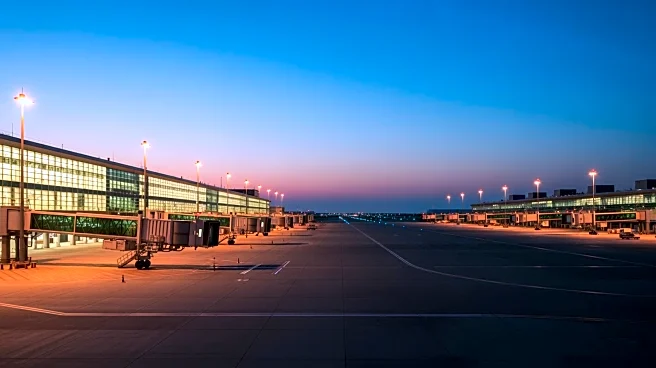
Southwest Airlines has announced it will discontinue its service from Chicago's O'Hare International Airport effective June 4, 2026. The decision comes five years after the airline began operations at O'Hare. Southwest will continue to operate out of
Chicago Midway Airport, where it has been a presence for over 41 years, serving more than 80 nonstop destinations. The airline cited operational challenges at O'Hare and a strategic focus on Midway as reasons for the change. Employees affected by the closure at O'Hare will have opportunities to transfer within the Southwest network. The move follows increased competition at O'Hare from United Airlines and American Airlines, as well as a recent FAA directive to cut flights due to capacity issues.
Why It's Important?
The decision by Southwest Airlines to cease operations at O'Hare highlights the competitive and logistical challenges airlines face in major hubs. O'Hare has seen a resurgence in activity, becoming the busiest U.S. airport in terms of takeoffs and landings in 2025. This shift underscores the strategic importance of Midway for Southwest, allowing the airline to consolidate its resources and maintain its market presence in Chicago. The move may impact passengers who prefer O'Hare for its connectivity and amenities, potentially affecting travel patterns and airport revenues. Additionally, the FAA's call for flight reductions at O'Hare due to capacity constraints reflects broader challenges in managing air traffic at major airports.
What's Next?
Southwest's withdrawal from O'Hare may lead to increased competition among remaining airlines for gate space and passengers. The airline's focus on Midway could result in expanded services or new routes from that airport. Passengers may need to adjust travel plans, particularly those who prefer O'Hare's international connections. The FAA's capacity management efforts at O'Hare will continue, potentially influencing future airline strategies and airport operations. Stakeholders, including local businesses and travelers, will be watching how these changes affect the broader Chicago aviation market.