

What's Happening?
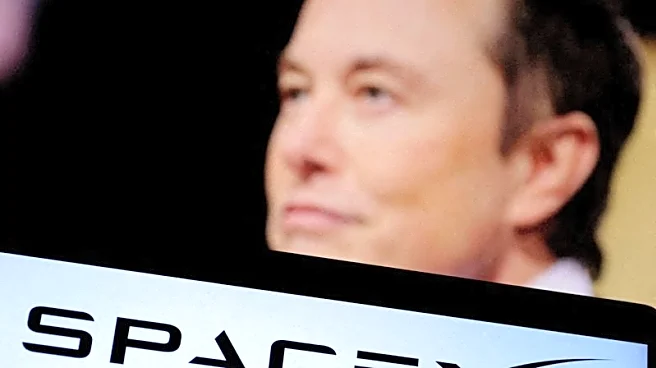
Following the recent merger between xAI and SpaceX, which also includes the social media platform X, two co-founders of xAI have announced their departure. The merger, valued at $1.25 trillion, is the largest of its kind. Co-founders Yuhai (Tony) Wu and Jimmy Ba have both publicly stated their decisions to leave, citing personal reasons for moving on to new ventures. This leaves xAI with only half of its original 12 co-founders. The merger has prompted a strategic reorganization within the company, as announced by Elon Musk. The new direction includes plans for 'space-based AI' data centers and vertical integration across AI, rockets, and space-based internet, among other technologies. Musk has also mentioned the potential development of an AI satellite
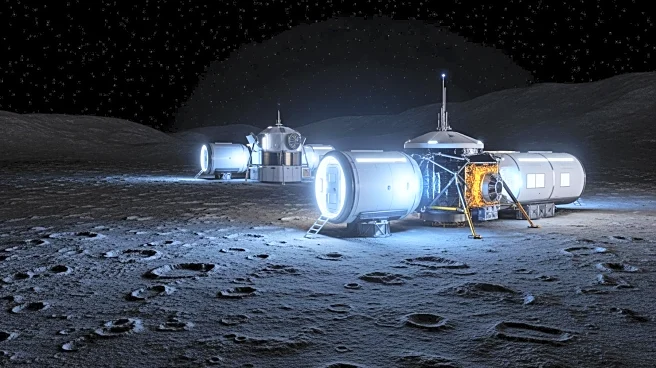
factory and a city on the moon.
Why It's Important?
The departure of key figures from xAI following its merger with SpaceX highlights the challenges and opportunities in integrating diverse technological fields. The merger represents a significant consolidation in the tech industry, potentially reshaping the landscape of AI and space technology. The strategic shift towards space-based AI and other ambitious projects could position the merged entity as a leader in these fields. However, the loss of founding members may impact the company's internal dynamics and innovation capacity. The reorganization aims to enhance efficiency and execution speed, which could lead to advancements in AI applications and space technology, influencing global tech markets and innovation trajectories.
What's Next?
As xAI and SpaceX move forward with their new strategic plans, the company is likely to seek new talent to fill the gaps left by departing co-founders. The focus on space-based AI and other ambitious projects will require significant investment and collaboration with other tech and aerospace entities. Stakeholders, including investors and industry partners, will be closely monitoring the company's progress and the impact of its reorganization. The success of these initiatives could set new standards in AI and space technology, potentially influencing policy and regulatory frameworks in these sectors.