
What's Happening?
The U.S. agricultural sector experienced varied economic trends in 2025, with livestock, equine, and poultry receipts increasing, while grain and tobacco sectors faced challenges. Livestock income is projected
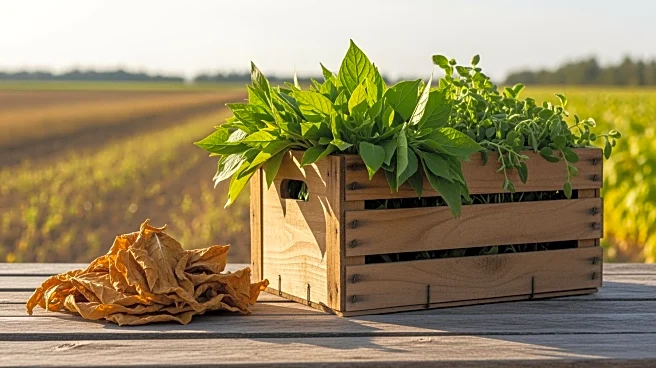
to reach $5.3 billion, driven by strong demand for proteins despite tight cattle supplies. The tobacco market continues to decline, with burley crop production falling, though recent cigarette export growth offers some support. Specialty crops, including fruits and vegetables, have surpassed tobacco sales, with significant growth in controlled-environment greenhouses. The equine market also showed strength, with increased sales and optimism for 2026.
Why It's Important?
These trends reflect broader shifts in the U.S. agricultural landscape, with declining tobacco sales and rising specialty crop production indicating changing consumer preferences and market dynamics. The growth in livestock and specialty crops suggests resilience in certain sectors, while the tobacco industry's decline highlights challenges in adapting to reduced demand for traditional products. These developments have implications for farmers, policymakers, and the agricultural economy, influencing future investment and production strategies.
What's Next?
The agricultural sector is likely to continue adapting to these trends, with potential increases in specialty crop production and further shifts in livestock markets. The tobacco industry may stabilize or see modest growth in certain segments, while the equine market's strength could influence future breeding and sales strategies. Policymakers and industry stakeholders will need to address these changes to support sustainable growth and competitiveness in the agricultural sector.