

What's Happening?
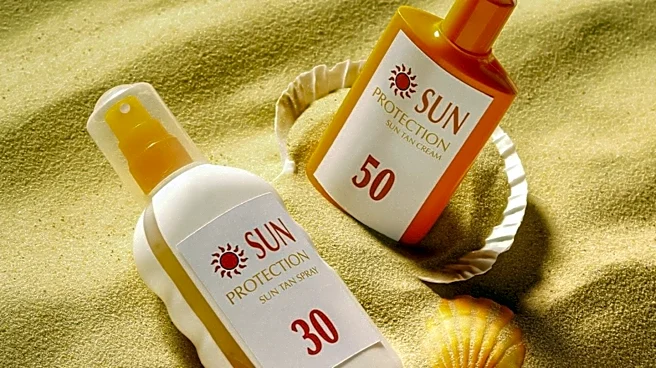
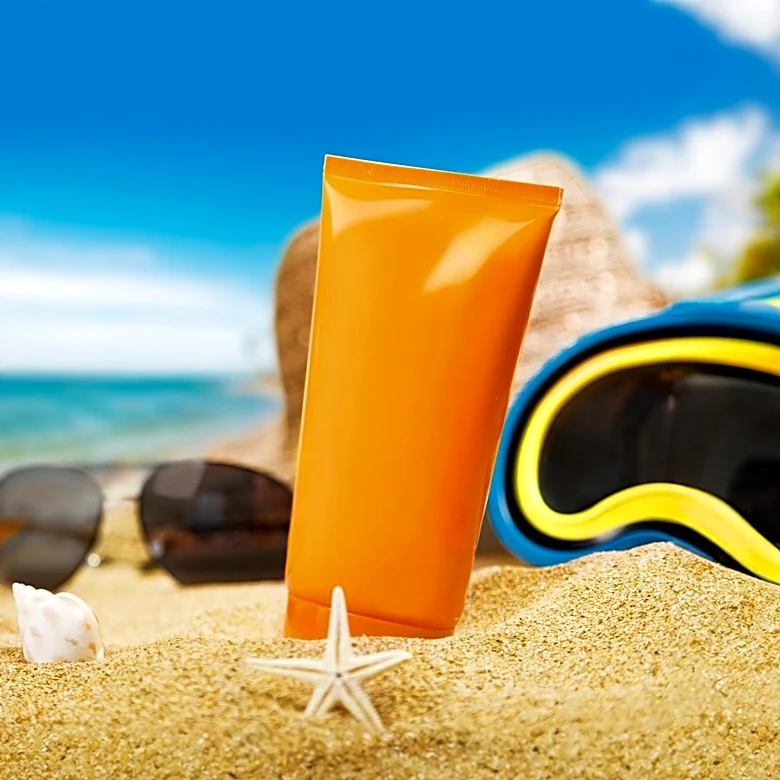
Self-tanners are being recommended by dermatologists as a safe alternative to sunbathing for achieving a natural-looking tan. Experts like Dr. Marisa Garshick and Dr. Deanne Mraz Robinson highlight the dangers of UV exposure, which can lead to DNA damage
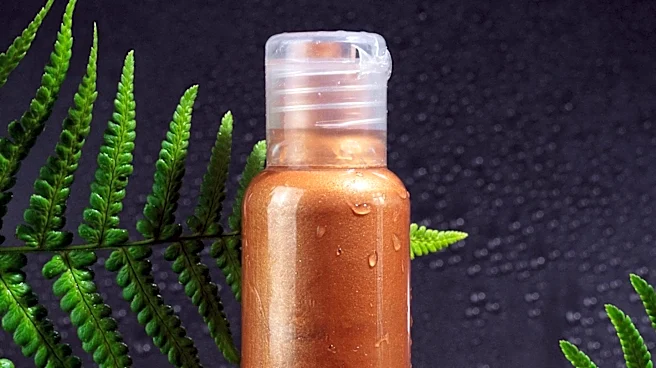
and increase the risk of skin cancer. Self-tanners provide a UV-free option, creating a tan through a chemical reaction with dead skin cells rather than melanin activation. This method avoids the harmful effects of UV radiation. The latest self-tanners are designed to be foolproof, offering streak-free, natural results without the typical drawbacks of older formulations. Dermatologists emphasize the importance of using self-tanners to maintain skin health while achieving a bronzed look.
Why It's Important?
The promotion of self-tanners by dermatologists underscores a significant public health message about the dangers of UV exposure. As awareness of skin cancer risks grows, the demand for safe tanning alternatives is likely to increase. Self-tanners offer a viable solution for those seeking a tan without compromising their skin's health. This shift could lead to a decrease in the use of tanning beds and sunbathing, both of which are linked to higher cancer risks. Additionally, the development of improved self-tanning products reflects advancements in cosmetic science, catering to consumer preferences for convenience and effectiveness.