




What's Happening?
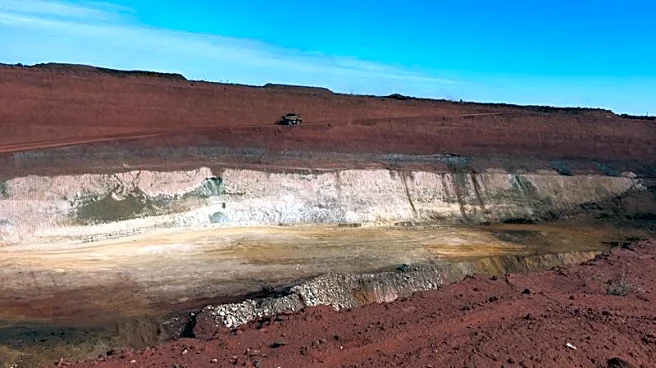
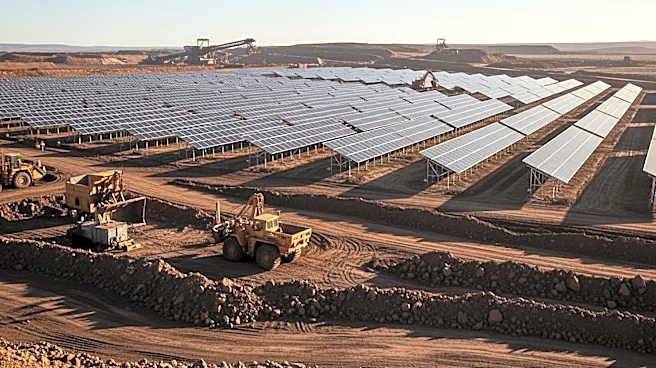
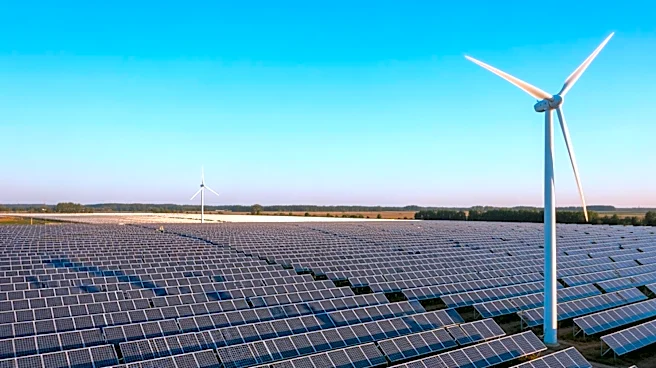
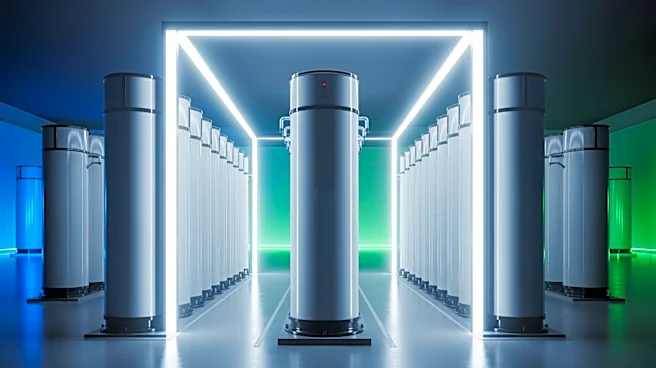
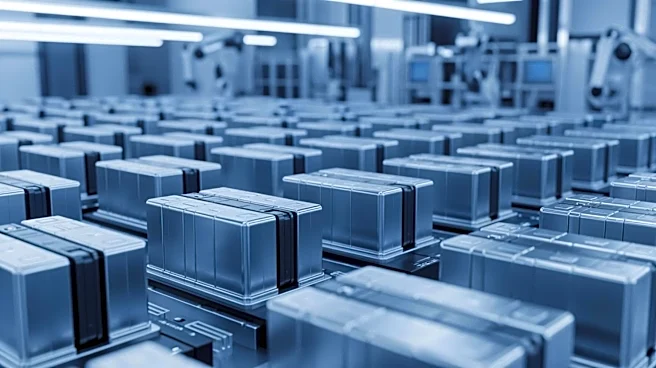
Fortescue Ltd. has commenced construction on what is being called the world's largest off-grid renewable energy network for heavy industry in Western Australia's Pilbara region. The project includes a 690-megawatt solar farm and a 74-megawatt battery
at the Cloudbreak mine, with components sourced from Chinese manufacturers. This initiative marks a significant shift from Fortescue's previous plans in the U.S., as the company abandoned a $550 million green hydrogen plant in Arizona due to changes in U.S. energy policy. The new project aims to eliminate scope 1 and 2 emissions from Fortescue's iron ore operations by 2028, significantly reducing the carbon footprint of its supply chain.
Why It's Important?
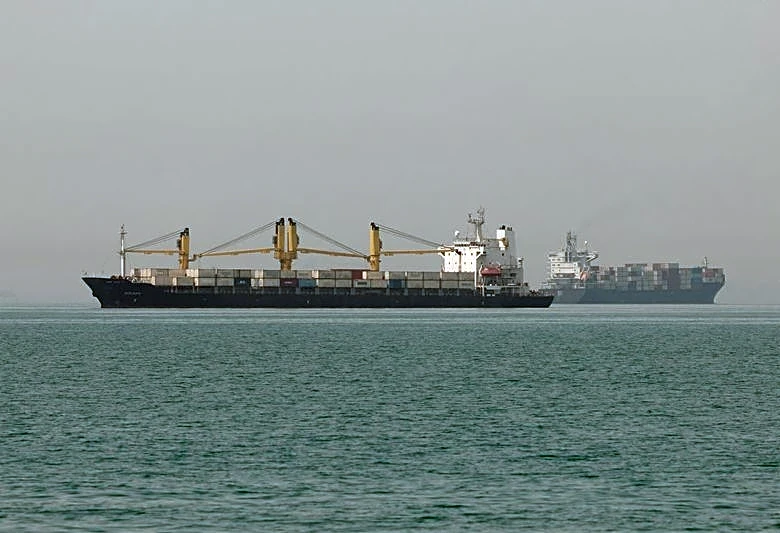
This development underscores the growing trend of heavy industries moving towards renewable energy to achieve sustainability goals. By cutting ties with the grid and relying entirely on renewable sources, Fortescue sets a precedent for other mining companies to follow. The project's reliance on Chinese-manufactured components highlights the global nature of the renewable energy supply chain and raises questions about the effectiveness of U.S. policies intended to boost domestic manufacturing. The success of this project could influence future investments in renewable energy infrastructure, particularly in regions with abundant natural resources like Australia.
What's Next?
Fortescue plans to complete the renewable energy network by 2028, with ongoing construction of additional wind capacity and battery-electric haul trucks. The company aims to demonstrate the feasibility of running a continuous mining operation on renewable energy alone by 2027. This project could lead to further decarbonization efforts in the mining sector and influence trade policies related to renewable energy components. As Fortescue progresses, the industry will be watching closely to see if similar projects can be replicated in other regions, potentially reshaping the global energy landscape.