





What's Happening?
Skyports Infrastructure, a company specializing in vertiport development and operations, has successfully completed multiple point-to-point electric vertical take-off and landing (eVTOL) flights to Downtown Skyport in New York City. This marks the first
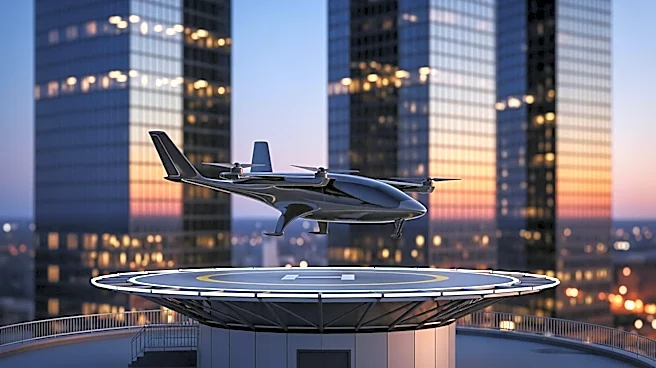
such flights in the city, conducted during Joby's '2026 Electric Skies Tour' New York City Flight Campaign from April 23 to May 1, 2026. Downtown Skyport served as the central hub for these operations, managing aircraft operations and charging. The flights connected key locations such as John F. Kennedy International Airport (JFK), Downtown Skyport, and other heliports in Manhattan, demonstrating the feasibility of rapid transit between these points. The initiative is part of a broader effort to transition Downtown Skyport into a hybrid vertical aviation facility capable of supporting both eVTOLs and helicopters.
Why It's Important?
The successful completion of these eVTOL flights represents a significant step forward in urban air mobility, potentially transforming transportation in densely populated areas like New York City. By reducing travel time between major hubs to under 10 minutes, this technology could alleviate congestion and offer a sustainable alternative to traditional ground transportation. The initiative aligns with the White House-backed eIPP initiative, showcasing the potential for zero-emission air taxi services. This development could pave the way for widespread adoption of eVTOL technology, influencing urban planning and infrastructure development, and offering new business opportunities in the aviation and transportation sectors.
What's Next?
Skyports is in advanced planning stages to install permanent rapid charging facilities at Downtown Skyport, expected to be fully operational by 2027. This infrastructure upgrade will enable permanent commercial eVTOL operations, integrating them into New York City's transportation network. As the facility becomes Advanced Air Mobility (AAM) ready, it will serve as a critical node in the city's network, potentially expanding to other urban centers. Stakeholders, including government and local entities, are likely to continue supporting these advancements, anticipating further demonstrations and integration of eVTOL services.
Beyond the Headlines
The introduction of eVTOL flights in New York City could have broader implications for urban development and environmental policy. As cities seek to reduce carbon emissions and improve air quality, eVTOL technology offers a promising solution. The quiet noise profile of these aircraft also addresses concerns about noise pollution, making them suitable for urban environments. This shift could influence regulatory frameworks, encouraging investment in sustainable transportation solutions and reshaping public perceptions of air travel.