







What's Happening?
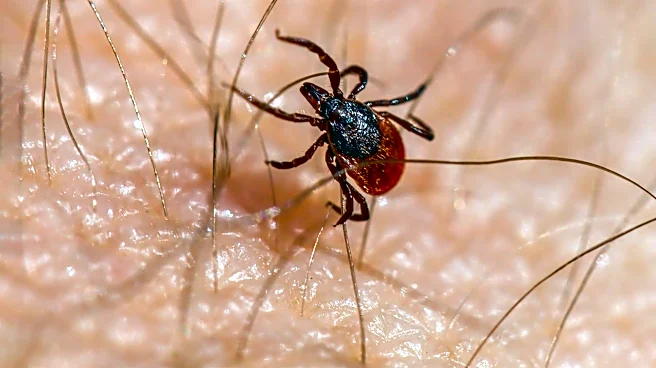
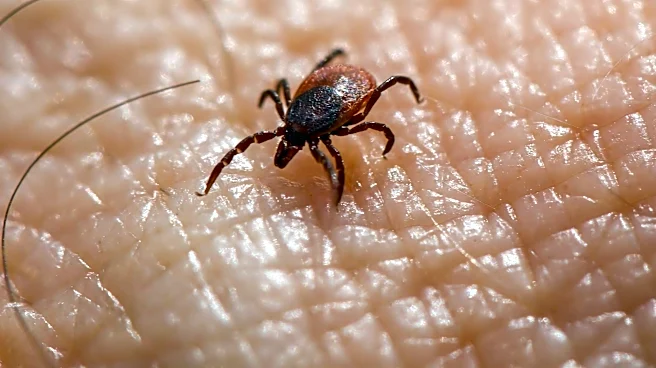
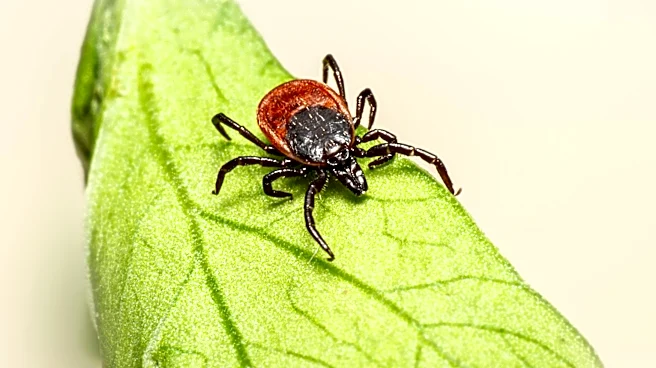
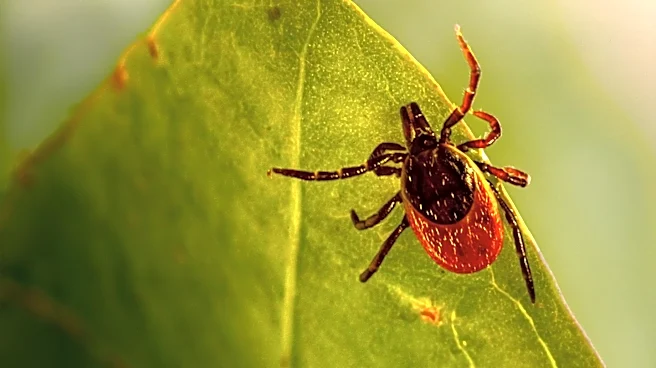
Consumer Reports has highlighted the growing concern of tick infestations in residential backyards, emphasizing the need for homeowners to take preventive measures. Ticks, which are known carriers of various diseases, thrive in cool, shady areas and tall
grass. Paul Hope from Consumer Reports advises that one of the simplest ways to deter ticks is by maintaining a well-trimmed lawn, ideally around three inches high. This height discourages ticks while preserving the health of the grass. Additionally, Consumer Reports suggests that homeowners should consider bagging grass clippings in areas with high tick populations, as opposed to mulching, to reduce potential tick habitats. Other recommendations include trimming tall grasses and weeds, especially near walkways and play areas, and removing leaf piles and other debris that provide shade and protection for ticks. For properties adjacent to wooded areas, creating a barrier of dry wood chips or gravel can help prevent ticks from migrating into the yard. Furthermore, controlling the presence of animals like deer and mice, which can carry ticks, is advised. This can be achieved by installing high fences to deter deer and using bait boxes to manage tick populations on mice.
Why It's Important?
The advice from Consumer Reports is crucial as ticks are vectors for diseases such as Lyme disease, which can have serious health implications. With the spread of ticks becoming more prevalent, especially in suburban and rural areas, homeowners need to be proactive in managing their outdoor spaces to reduce the risk of tick-borne illnesses. The economic impact of tick infestations can also be significant, as medical treatments for tick-borne diseases can be costly. Moreover, the presence of ticks can deter outdoor activities, affecting lifestyle and property enjoyment. By implementing these preventive measures, homeowners can protect their families and pets, potentially reducing healthcare costs and enhancing their quality of life.
What's Next?
Homeowners are encouraged to regularly inspect their yards and implement the recommended strategies to maintain a tick-free environment. As awareness of tick-borne diseases increases, there may be further developments in pest management solutions and public health advisories. Local governments and health organizations might also increase educational efforts to inform the public about effective tick prevention and control methods. Additionally, advancements in technology could lead to new tools and applications to assist homeowners in identifying and managing tick populations more effectively.