






What's Happening?
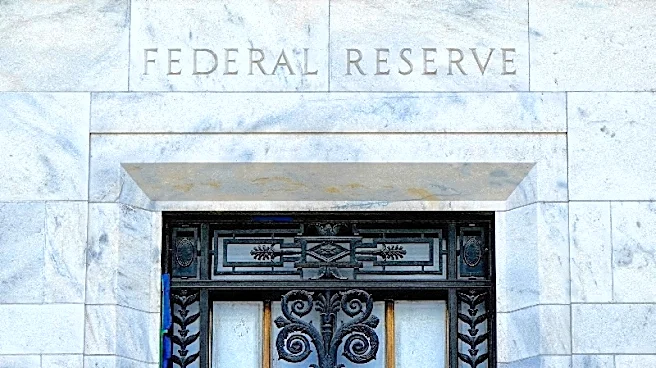
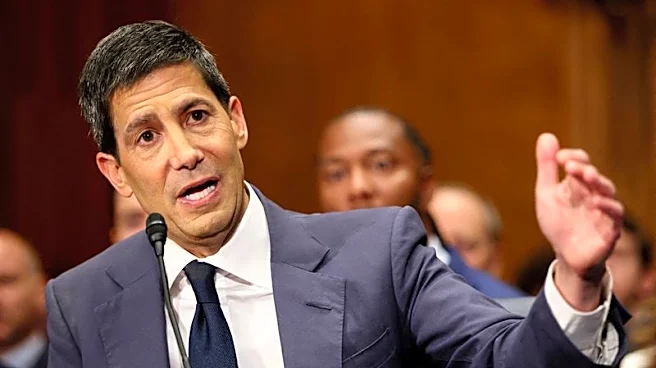
Kevin Warsh, recently appointed as the leader of the Federal Reserve, is set to implement significant reforms at the U.S. central bank. Warsh, who previously left the Fed due to disagreements over its bond-buying program, aims to address various issues,
including inflation monitoring, market bailouts, and communication strategies. His approach may involve reducing press conferences and returning to a more opaque form of central banking. However, these changes are expected to take time due to the complexity of the issues and the need for careful consideration. Warsh's nomination by President Trump follows a contentious period for the Fed, marked by Trump's clashes with former Chair Jerome Powell over interest rate policies. Warsh's immediate challenge is to balance Trump's demands for rate cuts with economic data that suggests otherwise, as inflation remains above the Fed's target.
Why It's Important?
Warsh's proposed reforms at the Federal Reserve could have significant implications for U.S. monetary policy and financial markets. His approach may shift the Fed's communication strategy, potentially affecting market expectations and investor confidence. The reforms could also influence how the Fed manages inflation and interest rates, impacting economic growth and employment. Warsh's leadership comes at a critical time, as the Fed navigates pressures from the Trump administration and ongoing economic challenges. The outcome of these reforms could affect the Fed's independence and its ability to respond to future economic crises.
What's Next?
Warsh is expected to initiate internal reviews and debates within the Federal Open Market Committee to explore potential changes in Fed policies. These discussions may lead to adjustments in bank reserve rules and the incorporation of alternative inflation measures. Warsh's proposals, such as modifying the Summary of Economic Projections and press conferences, will require careful evaluation and consensus among Fed policymakers. The success of these reforms will depend on Warsh's ability to build support within the Fed and effectively communicate the rationale behind the changes to the public and financial markets.