



What's Happening?
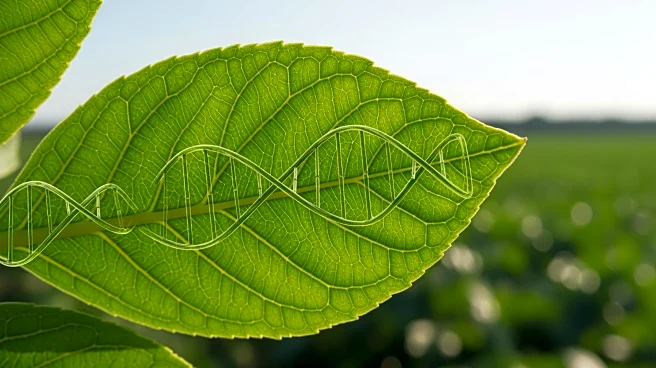
The article discusses the role of genome editing in agriculture as a sustainable solution to enhance crop resilience, yield, and nutritional quality. With the global population expected to exceed 8 billion by 2030, the demand for food production is increasing,
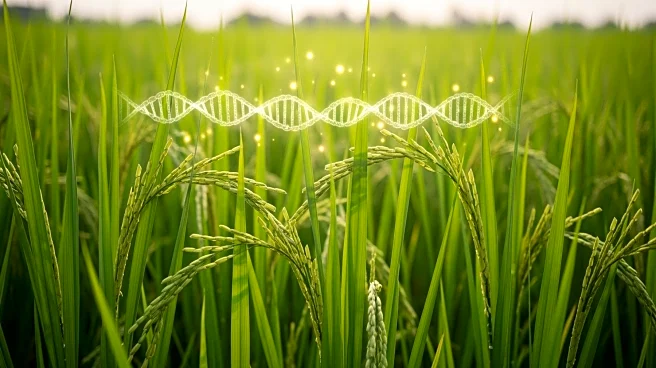
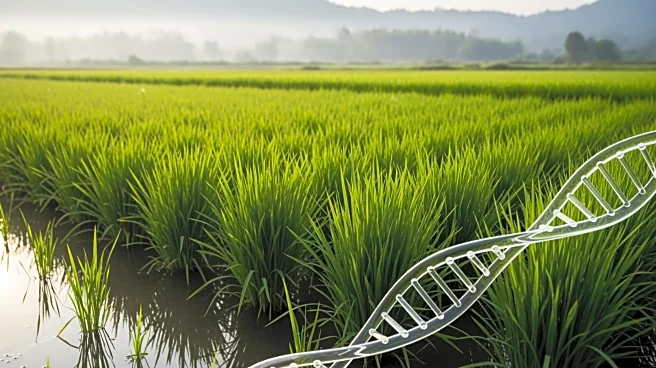
posing significant challenges to agriculture. Genome editing, using tools like CRISPR-Cas9, offers precise modifications to plant DNA, improving drought tolerance, salinity resistance, pest and disease resistance, and nutritional content. This technology is seen as transformative, enabling crops to withstand environmental stresses, reduce chemical inputs, and improve food security.
Why It's Important?
Genome editing in agriculture is crucial for addressing the challenges posed by climate change, soil degradation, and water scarcity. By enhancing crop resilience and productivity, it supports sustainable food supply and reduces the environmental impact of farming. This technology can lead to significant yield improvements, reduced chemical usage, and better resource management, benefiting farmers and consumers alike. It also offers potential economic gains by opening new markets and reducing food waste through extended shelf life of produce.
What's Next?
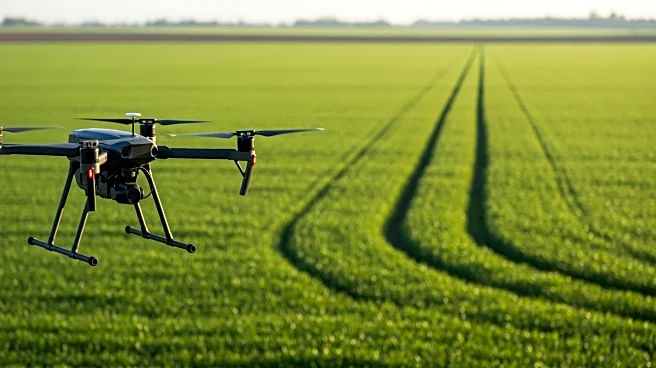
As genome editing becomes more mainstream, regulatory frameworks and public acceptance will shape its adoption. Many countries are updating regulations to focus on the traits of edited crops rather than the process, potentially accelerating global adoption. Ethical considerations, such as ensuring equitable access for smallholder farmers and maintaining food safety, will be important. The integration of genome editing with digital agriculture and satellite monitoring is expected to define the future of farming, offering new opportunities for sustainable agricultural practices.
Beyond the Headlines
The adoption of genome editing in agriculture raises ethical and regulatory questions. While it offers significant benefits, ensuring transparency and consumer trust is essential. Public education and blockchain-based traceability can support this. The technology also presents opportunities for diversifying food systems by expanding its use beyond major grains to underutilized crops. As the world moves towards 2030, genome editing is not just an opportunity but an imperative for securing a sustainable agricultural future.