







What's Happening?
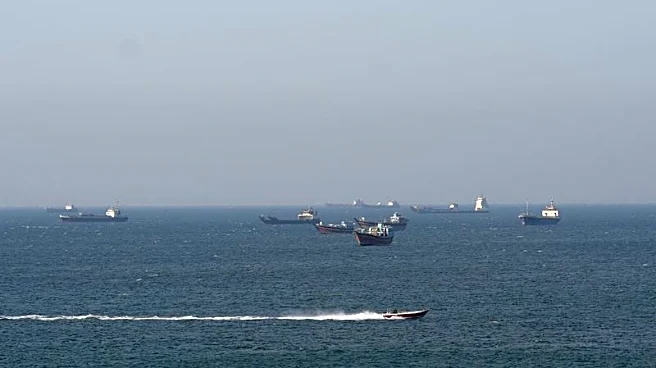
The travel industry is facing significant challenges due to a jet fuel crisis, which has led to increased operational costs and flight cancellations. This situation is exacerbated by geopolitical tensions affecting oil supplies, particularly in regions
like the Strait of Hormuz. As airlines and tourism companies navigate these disruptions, the focus has shifted to maintaining customer satisfaction. Research indicates that travel disruptions negatively impact customer perceptions, with a significant percentage of passengers less likely to fly with an airline again after experiencing disruptions. The crisis highlights the importance of effective customer experience (CX) management, as brands that prioritize clear communication and digital engagement are better positioned to retain customer loyalty.
Why It's Important?
The jet fuel crisis underscores the vulnerability of the travel industry to global supply chain disruptions. For U.S. airlines and travel companies, the ability to manage customer expectations and maintain satisfaction during such crises is crucial for long-term success. The crisis serves as a reminder that while operational challenges are inevitable, the way companies handle customer interactions can significantly influence brand loyalty. As digital natives increasingly dominate the travel market, companies that fail to provide seamless, real-time communication risk losing a competitive edge. This situation also highlights the need for travel brands to invest in digital tools and strategies that enhance customer experience, ensuring they can weather future disruptions.
What's Next?
As the summer travel season approaches, airlines and travel companies must prepare for potential disruptions by enhancing their customer communication strategies. This includes reassessing scheduled communications to avoid insensitivity and leveraging digital platforms to provide timely updates. Companies may also need to invest in AI-driven customer service solutions to manage increased inquiries and maintain a human-centered experience. The ongoing fuel crisis may prompt travel brands to explore alternative fuel sources or operational efficiencies to mitigate future risks. Additionally, the industry may see increased collaboration with regulatory bodies to ensure a coordinated response to global supply chain challenges.