


What's Happening?
The fashion industry is increasingly integrating artificial intelligence (AI) into its creative and production processes, sparking a debate over the quality and authenticity of AI-generated content. Brands like Gucci, Valentino, and Guess are using AI to create
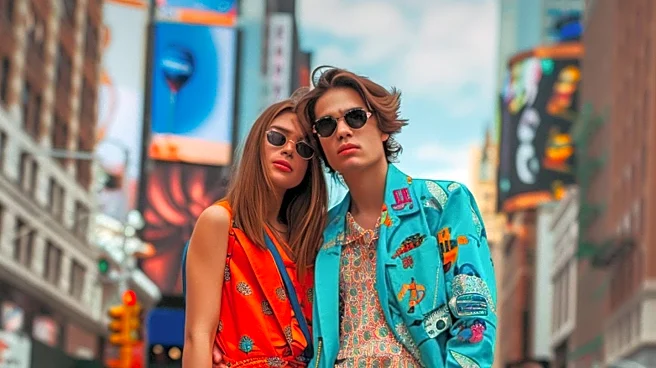
campaign visuals and streamline production. Gucci recently faced controversy for using AI-generated images in a campaign, which were initially perceived as high-production fashion editorials. The term 'AI slop' has emerged to describe low-quality, generic AI content, though its definition varies among consumers. Some audiences reject any AI use, while others focus on how AI is applied. This has led to a strategic challenge for brands, as they balance AI adoption with maintaining signals of human creativity.
Why It's Important?
The adoption of AI in fashion represents a significant shift in how creative processes are managed, potentially reducing costs and accelerating production cycles. However, the mixed consumer response highlights a critical challenge for brands: maintaining authenticity and quality in an era of digital innovation. The debate over 'AI slop' underscores the tension between technological advancement and consumer expectations. As AI becomes more prevalent, brands must navigate these perceptions to maintain their market position and consumer trust. The fashion industry's approach to AI could influence other sectors, as businesses explore the balance between automation and human creativity.
What's Next?
As AI tools become more integrated into fashion, brands are likely to continue experimenting with these technologies to find the right balance between innovation and consumer acceptance. Companies may invest in educating consumers about the benefits of AI, while also emphasizing the role of human creativity in their products. The ongoing debate may lead to clearer industry standards and guidelines for AI use in creative processes. Additionally, brands might explore new ways to engage with consumers, such as through interactive experiences that highlight the blend of AI and human artistry.
Beyond the Headlines
The use of AI in fashion raises ethical questions about the role of technology in creative industries. As AI-generated content becomes more common, there is a risk of diminishing the value of human craftsmanship and creativity. This could lead to broader cultural shifts in how art and design are perceived and valued. Furthermore, the reliance on AI may impact employment in the fashion industry, as automation could reduce the need for certain roles. These developments highlight the need for ongoing dialogue about the ethical implications of AI in creative fields.