



What's Happening?
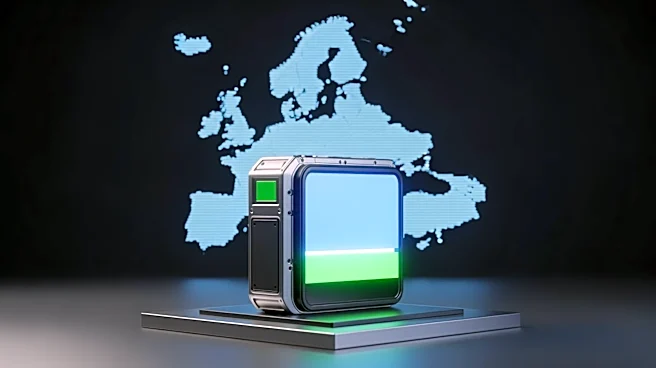
BattSwap, a Czech tech company specializing in electric vehicles with swappable batteries, reported a fourfold increase in revenue for 2025. The company has also launched a commercial battery-swapping system for fleets in Europe. BattSwap's technology
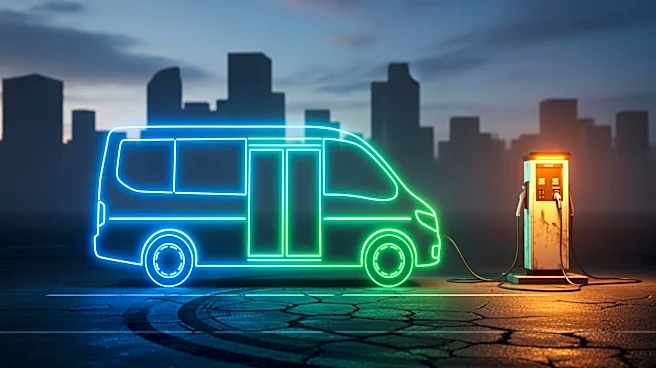
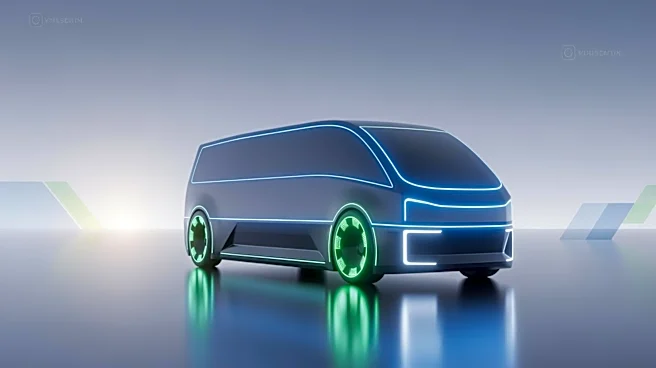
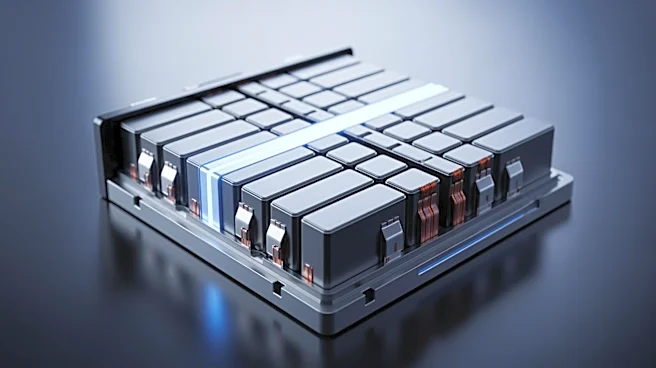
addresses two major challenges in electrifying commercial fleets: charging time and grid capacity. Their robotics-powered swapping stations can replace a depleted battery with a fully charged one in under three minutes, significantly reducing downtime. The stations require only a tenth of the power needed by standard fast chargers, allowing fleet operators to electrify depots without upgrading local infrastructure. BattSwap's vehicles, designed for urban logistics, feature a modular cargo area and a 25 kWh battery pack, offering a range of approximately 120 km per run.
Why It's Important?
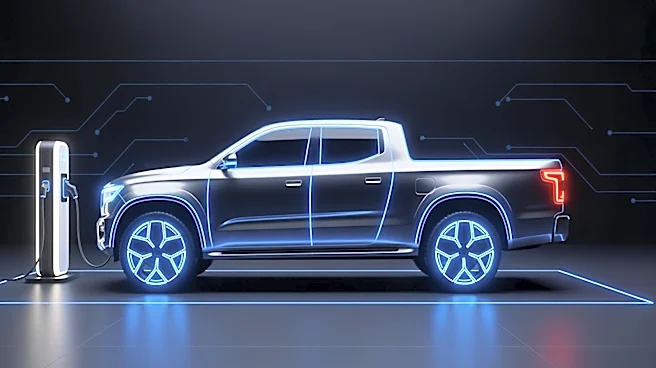
BattSwap's advancements in battery-swapping technology could revolutionize urban logistics by making electric mobility more economical and efficient. The ability to quickly swap batteries addresses one of the main barriers to large-scale electrification of commercial fleets: long charging times. By reducing the power demand on the grid, BattSwap's system also alleviates concerns about grid capacity, a critical issue as more fleets transition to electric vehicles. This development could encourage more fleet operators to adopt electric vehicles, reducing reliance on fossil fuels and contributing to environmental sustainability. The company's growth and strategic partnerships position it as a potential leader in the electric mobility sector.
What's Next?
With the successful implementation of its battery-swapping system in Europe, BattSwap may expand its operations to other international markets. The company's strategic partnerships and increased revenue provide the capital needed to scale manufacturing and deployment. As more fleet operators recognize the economic and operational benefits of BattSwap's technology, the company could see increased demand for its solutions. This growth could further drive innovation in the electric vehicle industry, potentially leading to new developments in battery technology and infrastructure.