



What's Happening?
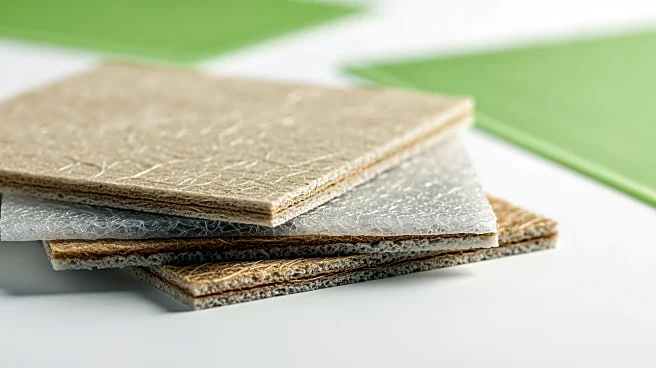
Northern Light Composites, an Italian start-up, is addressing the challenge of recycling composite materials, such as fibreglass and carbon-fibre products. The company has developed a solution that replaces conventional thermoset composites with thermoplastic
ones, allowing for the separation and recycling of composite layers at the end of their lifecycle. This innovation aims to provide recyclability by design without compromising performance or cost-effectiveness. Northern Light is expanding its technology beyond the marine sector into renewable energy, particularly wind power, and industrial plant components. The company is preparing for a new investment round and building its first production plant to demonstrate the potential of its recyclable materials.
Why It's Important?
The ability to recycle composite materials is a significant advancement for industries reliant on these materials, such as marine, construction, and renewable energy. Northern Light's technology supports a shift from a linear 'produce-use-dispose' model to a circular economy, where materials are recovered and reused. This approach not only reduces waste but also conserves resources, aligning with global sustainability goals. The start-up's expansion into renewable energy highlights the growing demand for sustainable solutions in this sector. By offering recyclable composites, Northern Light contributes to reducing the environmental impact of industries that traditionally struggle with material waste.
What's Next?
Northern Light Composites is set to begin small-series production in April to showcase its recyclable materials to investors. The company is focused on expanding its technology into the wind-power industry and other sectors requiring sustainable composite solutions. As Northern Light continues to develop its production capabilities, it may attract further investment and partnerships, potentially influencing industry standards for recyclable materials. The success of this initiative could encourage other companies to adopt similar technologies, promoting a broader shift towards sustainability in composite material usage.