
What's Happening?
Sofia Coppola's film 'Marie Antoinette,' which initially faced criticism upon its release, is now being celebrated with a dedicated exhibition at the Palace of Versailles. The exhibition, titled 'Marie Antoinette by Sofia Coppola,' marks the 20th anniversary
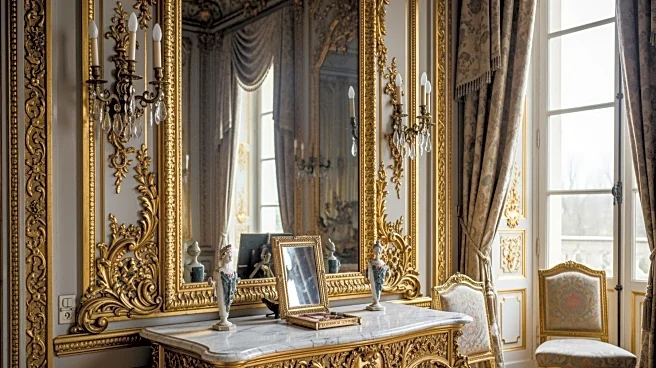
of the film and will be held at the Petit Trianon, a location closely associated with the historical figure. The retrospective will feature original costumes by Milena Canonero, filming accessories, storyboards, annotated scripts, set photographs, and design sketches. This exhibition is significant as it highlights the film's cultural impact and Coppola's unique access to film at Versailles, a privilege not commonly granted. The exhibition will run from September 22, 2026, to January 24, 2027, offering visitors a chance to experience scenes from the film in the very rooms where they were shot.
Why It's Important?
The exhibition underscores the evolving perception of Coppola's 'Marie Antoinette,' which has transitioned from a controversial release to a cult classic. This shift reflects broader changes in cultural tastes and the film's enduring influence on pop culture. By hosting the exhibition at Versailles, the film's historical and artistic significance is further cemented, offering a unique intersection of cinema and history. The event also highlights the role of film in shaping public understanding of historical figures, in this case, Marie Antoinette, and the continued interest in her life and legacy. For the film industry, this exhibition represents a recognition of the artistic achievements in costume design and set production, showcasing the collaborative efforts that contribute to cinematic storytelling.
What's Next?
As the exhibition opens, it is likely to attract both film enthusiasts and history buffs, potentially increasing tourism to Versailles. The event may also inspire similar retrospectives for other films that have achieved cult status over time. Additionally, the exhibition could spark renewed interest in Coppola's body of work, leading to further academic and public discussions about her contributions to cinema. The success of this exhibition might encourage other historical sites to collaborate with filmmakers, creating immersive experiences that blend history and film. Furthermore, the exhibition could influence future film productions, encouraging directors to seek authentic historical settings for their projects.