




What's Happening?
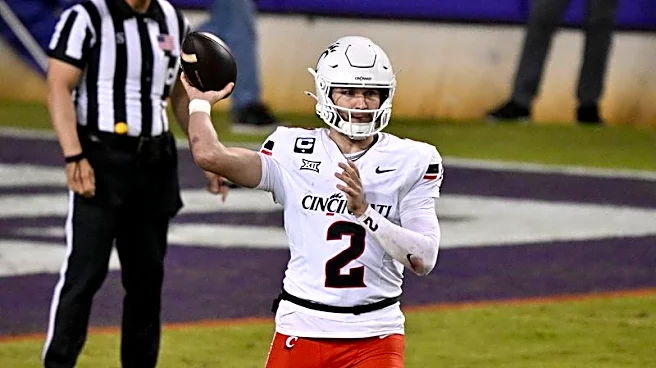
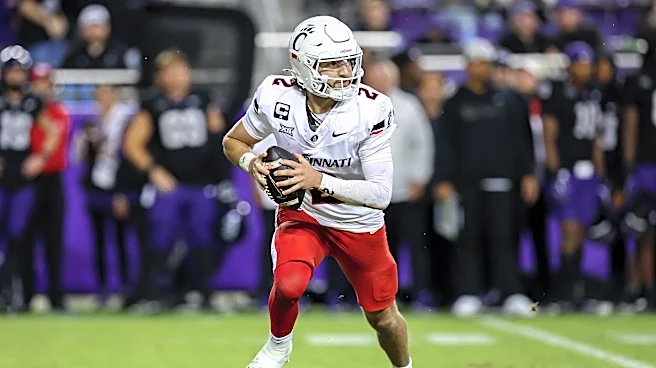
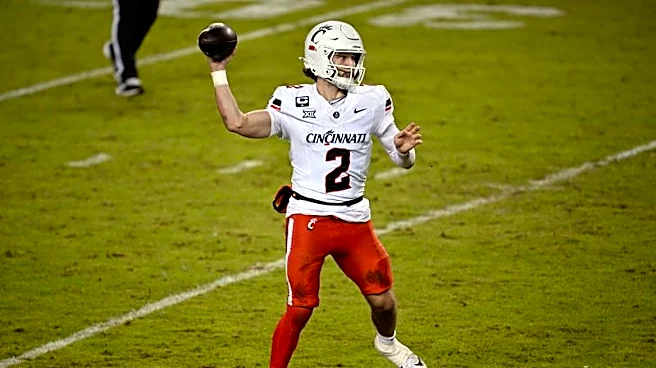
The legal case involving Brendan Sorsby is set to go to trial on February 8, 2027. This trial date allows Sorsby to participate in the 2026 college football season, except for a two-game suspension. The NCAA has the option to appeal the preliminary order
that permits Sorsby to play, but the appeal process is expected to take 9-12 months, likely extending beyond the trial date. Attorney Christopher Kratovil, based in Texas, has indicated that the appeal will not be resolved before the trial. The NCAA aims to resolve the issue before the football season, while Sorsby needs a resolution by June 22 to enter the 2026 supplemental draft. The current timeline suggests that neither deadline will be met, allowing Sorsby to remain eligible for the 2026 season.
Why It's Important?
The outcome of Brendan Sorsby's case has significant implications for college athletics, particularly regarding the NCAA's regulatory authority and the rights of student-athletes. The delay in resolving the appeal highlights the challenges within the NCAA's current legal and administrative processes. A prolonged legal battle could impact Sorsby's career and set a precedent for how similar cases are handled in the future. The situation underscores the need for a more efficient resolution mechanism, such as arbitration, to address disputes between the NCAA and athletes. This case also raises questions about fairness and the potential benefits of a unionized setting for college athletes, which could streamline dispute resolution and ensure timely decisions.
What's Next?
The next steps involve the NCAA's decision on whether to pursue an appeal and the timeline for such an appeal. If the NCAA proceeds, the appeal process could extend into the 2026 season, affecting Sorsby's eligibility and draft prospects. Both the NCAA and Sorsby would benefit from a quicker resolution, potentially through arbitration, to avoid prolonged uncertainty. The case may prompt discussions about reforming the NCAA's dispute resolution processes to prevent similar delays in the future. Stakeholders, including legal experts and athlete advocacy groups, may push for changes to ensure fair and timely outcomes in such cases.