






What's Happening?
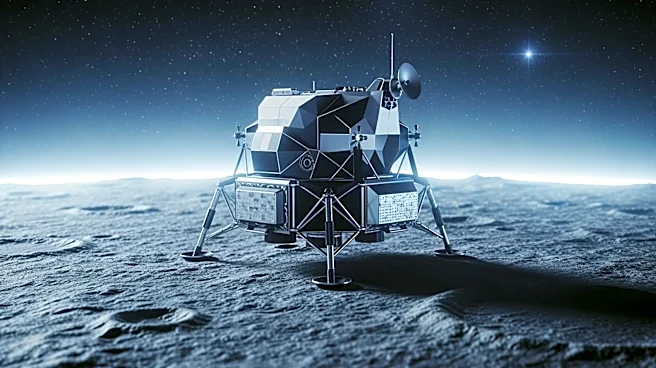
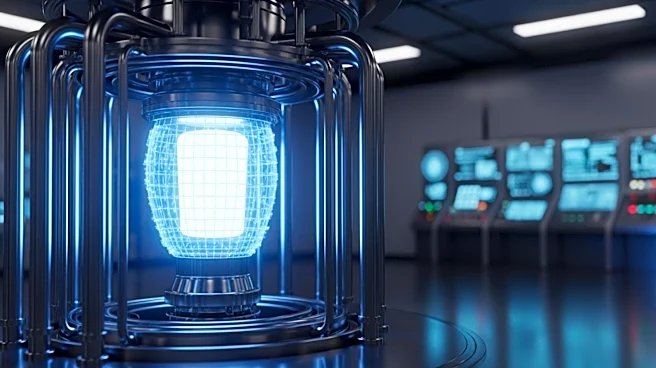
Antares Nuclear Inc. has successfully turned on a nuclear test reactor at the Idaho National Lab, marking a significant milestone in nuclear energy development. The reactor, which reached 'criticality,' is part of a pilot program aimed at advancing nuclear technology
for potential use in lunar and deep space missions. The U.S. Energy Secretary hailed this as a historic moment for American energy, as it is the first privately developed non-light-water reactor to achieve criticality in over four decades. The reactor is expected to produce electricity by 2027, with deployment planned for 2028.
Why It's Important?
This achievement is crucial for the future of space exploration and energy innovation. The development of small nuclear reactors could provide a sustainable power source for lunar bases and other remote locations, reducing reliance on traditional energy supplies. The initiative is part of a broader effort to usher in a 'nuclear renaissance' in the U.S., with potential applications in both military and civilian sectors. However, the accelerated timeline and reduced safety oversight have raised concerns about potential risks and the long-term feasibility of these technologies.
What's Next?
Antares plans to test a reactor that produces electricity in 2027, with deployment expected the following year. The company has agreements with the U.S. military to power remote bases, and other companies are also testing reactors at the Idaho lab. The Energy Department's fast-tracked licensing process aims to achieve criticality in multiple reactors by July 4, 2026. The success of these efforts will determine the future of nuclear energy in space exploration and its role in addressing global energy challenges.