

What's Happening?
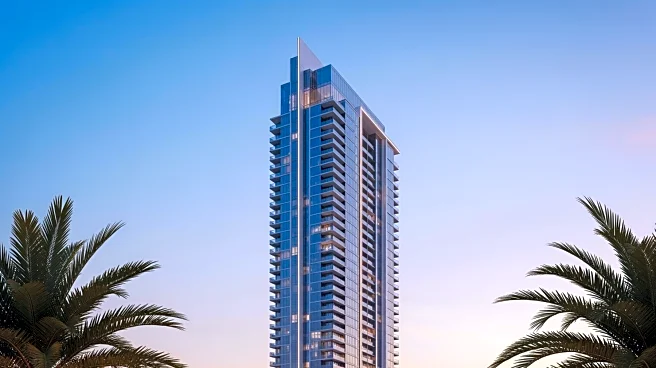
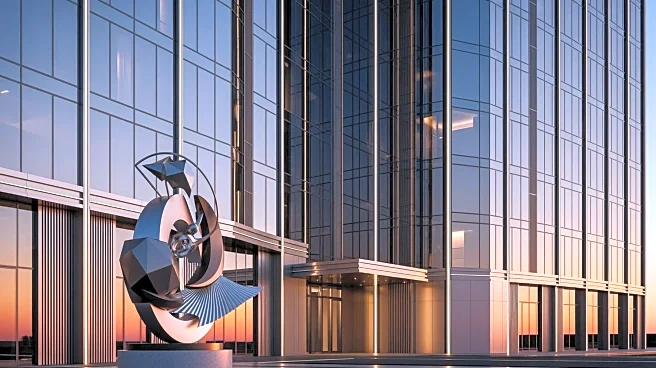
In Miami's Brickell District, a significant increase in branded residences is underway, with luxury names such as Cipriani, Dolce & Gabbana, and Mercedes Benz leading the charge. According to a report by Savills, Miami ranks second only to Dubai in the number of branded residence projects as of 2025. The global count of such residences has surged from 323 in 2015 to 910 in 2025, with projections to reach 1,747 by 2032. Fashion brands like Elie Saab, Giorgio Armani, and Versace are capitalizing on this trend, partnering with developers to create high-end living spaces that reflect their brand identities. These projects often involve licensing agreements where brands set design and lifestyle standards, allowing developers to charge premium prices.
The branded residences not only enhance brand mystique but also strengthen customer loyalty by offering a lifestyle statement rather than just a logo on a building.
Why It's Important?
The expansion of branded residences represents a strategic shift for fashion brands, allowing them to diversify revenue streams and enhance brand equity. This trend is particularly significant in luxury markets like Miami, where tax incentives and a strong cultural ecosystem attract high-net-worth individuals. For fashion brands, entering the real estate market offers a way to maintain relevance and visibility, especially for those whose founders have passed away. The branded residences also provide a new avenue for brands to engage with consumers on a deeper level, offering a lifestyle experience that extends beyond traditional retail. This development could lead to increased profitability for brands as they leverage their reputations in the real estate sector.
What's Next?
As the trend of branded residences continues to grow, more fashion brands are likely to enter the market, seeking to capitalize on the high demand for luxury living spaces. Cities like Miami will continue to be hotspots for these developments due to favorable tax structures and a strong influx of wealthy residents. The success of these projects will depend on the brands' ability to maintain their luxury appeal while meeting the expectations of high-end buyers. Additionally, the trend may expand to other cities with similar economic and cultural conditions, potentially reshaping the global luxury real estate landscape.
Beyond the Headlines
The rise of branded residences highlights a broader cultural shift towards experiential luxury, where consumers seek not just products but immersive lifestyle experiences. This trend reflects changing consumer preferences and the increasing importance of brand storytelling in the luxury market. As more brands enter the real estate sector, there may be ethical considerations regarding the exclusivity and accessibility of these luxury developments. Furthermore, the integration of fashion and real estate could influence urban development patterns, potentially leading to gentrification and changes in local communities.