









What's Happening?
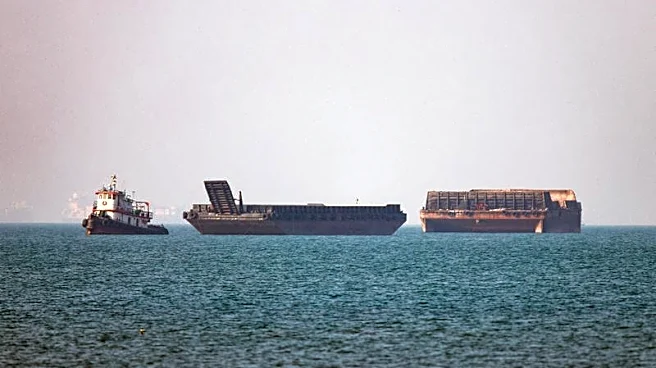
The ongoing conflict in Iran has led to significant disruptions in global aluminum production, particularly affecting facilities in the Middle East. Iran's restrictions on ship traffic through the Strait of Hormuz and subsequent attacks on aluminum facilities have
caused a substantial decrease in production capacity. This has resulted in a global increase in aluminum prices, with the U.S. experiencing some of the highest costs due to previous tariffs on imports. The shortage is impacting various industries reliant on aluminum, from consumer goods to technology and automotive sectors.
Why It's Important?
The aluminum shortage highlights the interconnectedness of global supply chains and the vulnerability of industries to geopolitical events. For the U.S., the increased aluminum prices could lead to higher costs for manufacturers and consumers, affecting everything from beverage cans to electronics. The situation underscores the need for diversified supply chains and the potential benefits of domestic production capabilities. It also raises concerns about the economic impact of prolonged conflicts and the importance of stable international trade relations.
What's Next?
As the conflict in Iran continues, industries may need to explore alternative sources of aluminum or invest in recycling and secondary production to mitigate the impact of shortages. Policymakers might consider revisiting trade policies and tariffs to alleviate domestic price pressures. Additionally, companies may accelerate efforts to innovate and reduce dependency on aluminum by exploring alternative materials or technologies.
Beyond the Headlines
The aluminum shortage also brings attention to the broader implications of resource dependency and the environmental impact of mining and production. As industries seek to address supply chain challenges, there may be increased focus on sustainable practices and the development of circular economies. This situation could drive long-term changes in how resources are managed and utilized globally.