



What's Happening?
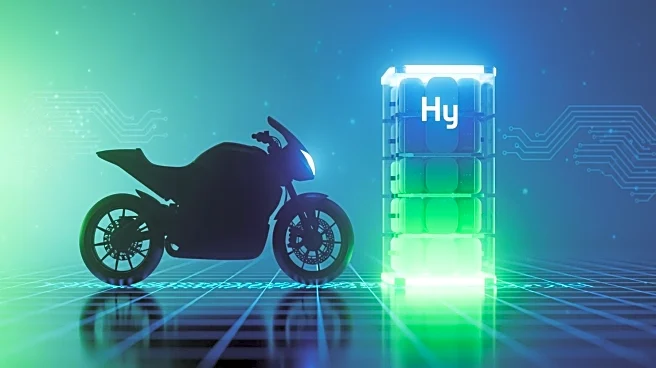
The insurance industry is facing new challenges with the rise of agentic AI, electric motorcycles, and hydrogen fuel cells. Agentic AI, which automates complex tasks, poses risks related to cyber liability and operational errors. Electric motorcycles, while
environmentally friendly, present issues such as high costs, limited range, and fire risks associated with lithium-ion batteries. Hydrogen fuel cells offer a clean energy alternative but face scalability challenges due to infrastructure limitations and safety concerns. These technological advancements require insurers to reassess risk management strategies and adapt to evolving exposures.
Why It's Important?
The integration of advanced technologies like AI and alternative energy vehicles is reshaping industries and consumer behavior. For insurers, these changes introduce new risk profiles that require updated underwriting practices and risk assessment models. The potential for cyberattacks on AI systems and the unique risks associated with electric and hydrogen-powered vehicles necessitate a deeper understanding of these technologies. Insurers must balance innovation with risk management to provide adequate coverage and protect against emerging threats. The ability to adapt to these changes will be crucial for maintaining competitiveness and meeting customer needs in a rapidly evolving market.
Beyond the Headlines
The adoption of agentic AI and alternative energy vehicles reflects broader societal shifts towards automation and sustainability. These technologies have the potential to reduce environmental impact and improve efficiency, but they also raise ethical and safety concerns. The insurance industry plays a critical role in facilitating the transition to these new technologies by providing risk mitigation solutions. As these technologies become more prevalent, insurers will need to engage with policymakers, technology developers, and consumers to address regulatory challenges and ensure safe and responsible implementation.