




What's Happening?
Gold, traditionally viewed as a safe-haven asset during geopolitical conflicts, has seen an unexpected decline in value since the onset of the Iran war on February 28. The price of gold has dropped by 11%, raising questions about its reliability as a refuge
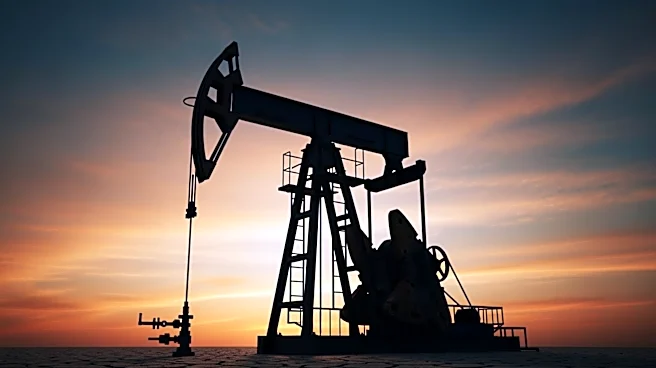
for investors during times of global instability. According to a research note from LPL Financial, a major independent broker-dealer, this decline is not indicative of a failure in gold's role as a safe haven. Instead, it reflects the current economic pressures faced by several Persian Gulf states, including the United Arab Emirates, which are experiencing dollar funding pressures due to disruptions in the Strait of Hormuz affecting oil exports. These disruptions have led to a reduced flow of dollars into the region, prompting governments to prioritize liquidity over holding gold as a store of value. For instance, Turkey's central bank sold and swapped three billion dollars worth of gold reserves in March to stabilize its markets amid pressure on the lira.
Why It's Important?
The decline in gold prices during the Iran conflict highlights the complex role that gold plays in the global economy. While traditionally seen as a safe haven, gold is also a commodity and a reserve asset that can be liquidated to meet immediate financial needs. This situation underscores the challenges faced by countries heavily reliant on oil exports, as disruptions can lead to significant economic pressures. The need for liquidity over a store of value suggests that in times of crisis, even traditional safe-haven assets like gold may not perform as expected. This development could impact investor strategies and the broader perception of gold's role in financial markets, particularly during geopolitical tensions.
What's Next?
As the situation in the Middle East continues to evolve, countries affected by the conflict may focus on rebuilding their fuel supplies, stabilizing budgets, and replenishing foreign exchange reserves, all of which require access to dollars. This ongoing need for liquidity could continue to influence gold prices and investor behavior. Additionally, the response of central banks and governments in managing their reserves and addressing economic pressures will be critical in shaping the future dynamics of gold as a safe-haven asset. Investors and financial analysts will likely monitor these developments closely to adjust their strategies accordingly.