



What's Happening?
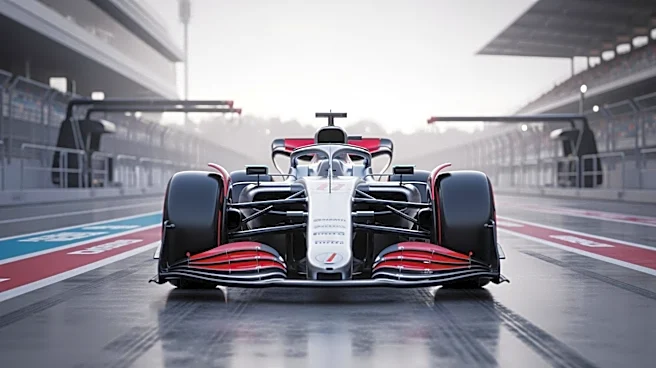
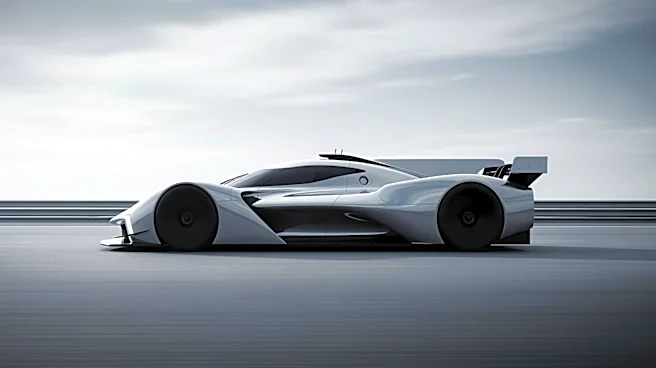
In 2026, Formula 1 cars are experiencing reduced speeds due to new regulations implemented by the FIA. These changes include stricter hybrid energy requirements, which have been met with criticism from some fans and drivers. The regulations aim to enhance
sustainability and reduce the environmental impact of the sport. Despite the slower speeds, the FIA believes these changes are beneficial for the long-term future of Formula 1. Discussions are ongoing about potentially reintroducing V8 powertrains by 2030, which could alter the current trajectory.
Why It's Important?
The FIA's decision to slow down F1 cars reflects a broader shift towards sustainability in motorsports. By prioritizing hybrid technology, the sport aligns with global efforts to reduce carbon emissions. This move could influence other racing series and automotive industries to adopt similar practices. However, the changes may also impact the sport's appeal to fans who value speed and performance. Balancing environmental goals with maintaining the excitement of racing is a key challenge for the FIA and Formula 1 stakeholders.
What's Next?
As the FIA continues to evaluate the impact of these regulations, further adjustments may be considered to address feedback from teams and fans. The potential return to V8 powertrains in 2030 suggests ongoing discussions about the future direction of the sport. Stakeholders will need to navigate the complexities of technological innovation, environmental responsibility, and fan engagement to ensure the continued success of Formula 1.