



What's Happening?
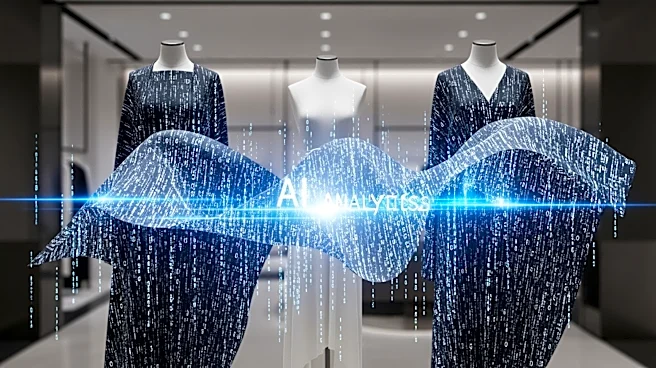
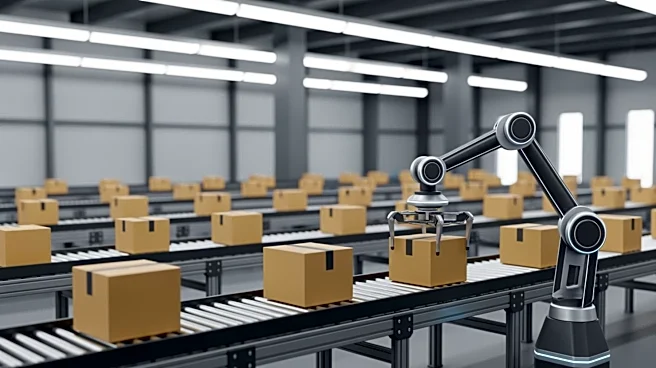
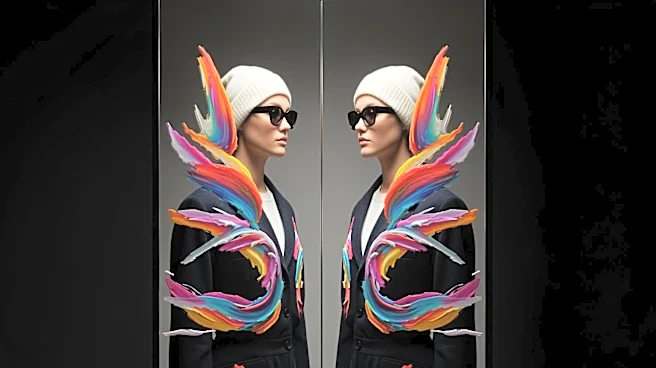
The fashion industry is increasingly integrating AI into its buying and merchandising processes. AI-powered tools are providing real-time insights into consumer behavior, allowing buyers to make more informed decisions about product assortments. Companies
like Tapestry, the parent company of Coach, are using AI to analyze data on customer preferences, regional buying patterns, and inventory allocation. This shift towards data-driven decision-making is helping fashion brands optimize their supply chains and improve their competitive advantage. While AI enhances the buying process, human intuition remains crucial in interpreting data and making strategic decisions.
Why It's Important?
The adoption of AI in the fashion industry represents a significant shift towards data-driven decision-making. By leveraging AI, fashion brands can gain a deeper understanding of consumer preferences and market trends, enabling them to make more informed buying and merchandising decisions. This can lead to improved inventory management, reduced waste, and increased profitability. The integration of AI also highlights the growing importance of technology in the fashion industry, as brands seek to enhance their competitive advantage in a rapidly changing market. However, the reliance on AI also raises questions about the balance between data-driven insights and human intuition in the creative process.
What's Next?
As AI continues to evolve, fashion brands are likely to further integrate these technologies into their operations. This may involve developing more sophisticated AI tools to analyze consumer data and optimize supply chains. Brands may also explore new ways to combine AI insights with human creativity to enhance product offerings and customer experiences. As the industry becomes more data-driven, there may be increased demand for professionals who can bridge the gap between technology and fashion. The ongoing evolution of AI in the fashion industry will require brands to continuously adapt and innovate to stay competitive.