
What's Happening?
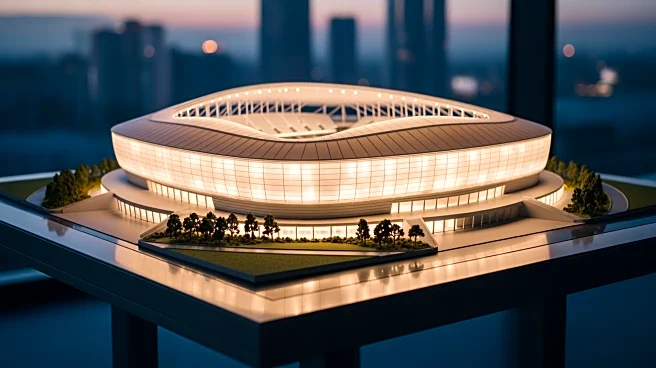
The Kansas City Chiefs have announced plans to build a new $3 billion domed stadium, which will replace the iconic Arrowhead Stadium after the 2030 season. The new facility will be located across the Kansas-Missouri
state line and is expected to seat at least 65,000 fans. This decision was made by the Hunt family, who own the Chiefs, with the aim of providing a state-of-the-art venue that can host major events such as the Super Bowl, College Football Playoff, and NCAA Final Fours. The announcement was made during the Chiefs' Christmas evening game against the Denver Broncos, where Gracie Hunt, daughter of Chiefs chairman Clark Hunt, drew attention with her festive outfit. The new stadium is anticipated to be ready for the 2031 season.
Why It's Important?
The construction of a new stadium represents a significant investment in the future of the Kansas City Chiefs and the surrounding region. By building a modern, multi-purpose venue, the Chiefs aim to enhance the fan experience and attract major sporting events that were previously unattainable. This move is expected to boost the local economy by creating jobs and increasing tourism. Additionally, the new stadium will serve as a long-term asset for the community, potentially hosting a variety of events beyond football. The decision underscores the Hunt family's commitment to the team's legacy and the fans, aligning with the vision of Lamar Hunt, the team's founder, who prioritized fan engagement and future growth.
What's Next?
The Chiefs will begin the planning and construction phases for the new stadium, with a target completion date before the 2031 NFL season. This process will involve securing necessary permits, finalizing design plans, and coordinating with local governments and stakeholders. The team will also need to address logistical challenges related to the transition from Arrowhead Stadium to the new venue. As the project progresses, the Chiefs will likely engage with fans and the community to ensure the new stadium meets their expectations and needs. The development may also prompt other NFL teams to consider similar upgrades to their facilities.