
What's Happening?
Max Verstappen, a four-time world champion in Formula 1, is contemplating leaving the sport due to dissatisfaction with its current direction. Verstappen's frustrations were highlighted after finishing eighth at the Japanese Grand Prix, where he expressed
his discontent with the new regulations that emphasize battery management and electrical energy use over traditional racing. The Dutch driver, who has been a dominant force in F1, is now facing challenges in maintaining his competitive edge. Verstappen's personal life has also shifted, with the birth of his first child and a desire to spend more time with family, further influencing his potential decision to step away from racing.
Why It's Important?
Verstappen's potential departure from Formula 1 could have significant implications for the sport. As one of its most prominent figures, his exit would highlight growing concerns among drivers about the sport's evolving regulations and focus. This situation underscores a broader debate within F1 about balancing technological advancements with the essence of racing. Verstappen's dissatisfaction may prompt the sport's governing bodies to reconsider current policies to retain top talent and maintain fan engagement. His decision could also influence other drivers facing similar frustrations, potentially leading to broader changes in the sport.
What's Next?
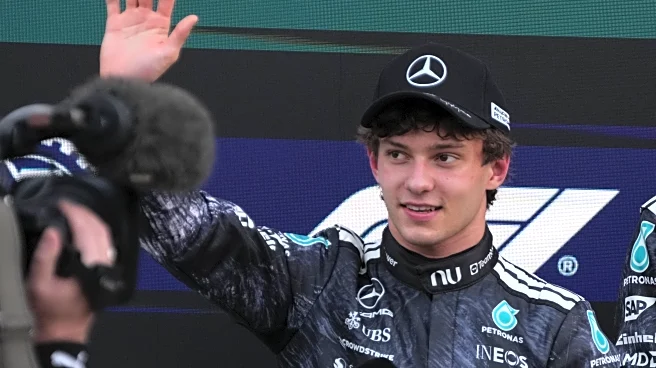
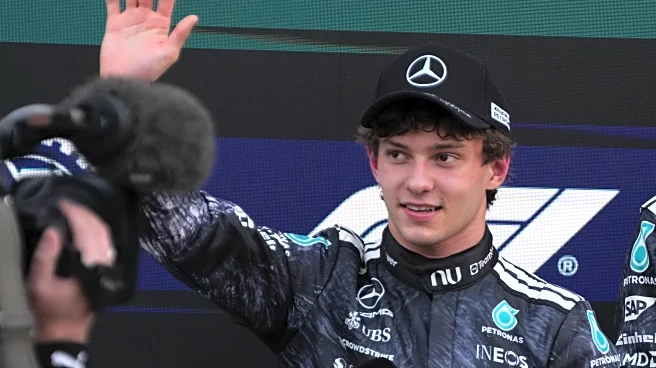
If Verstappen decides to leave Formula 1, it could trigger a reevaluation of the sport's regulations by its governing bodies. The pressure to address drivers' concerns may increase, leading to potential changes in race strategies and car technologies. Verstappen's departure would also open opportunities for emerging talents like Kimi Antonelli, who recently won the Japanese Grand Prix. The sport may need to adapt to retain its competitive edge and appeal to both drivers and fans. Verstappen's final decision will likely be closely watched by stakeholders across the F1 community.