








What's Happening?
J.Safra Asset Management Corp has significantly increased its investment in Taiwan Semiconductor Manufacturing Company Ltd. (TSMC), raising its stake by 95.3% during the fourth quarter. This move was disclosed in a recent filing with the Securities and
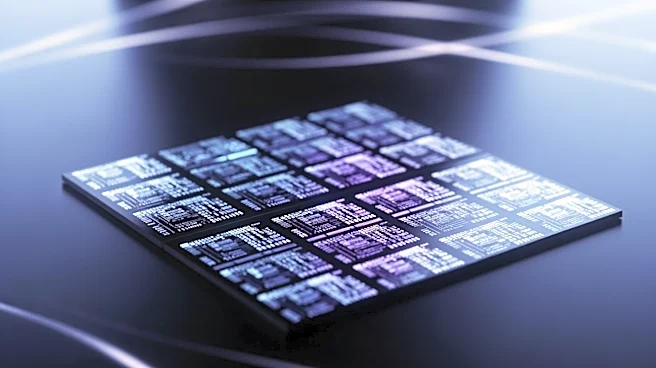
Exchange Commission (SEC). The fund now owns 17,089 shares of TSMC, valued at approximately $5,194,000. This increase in holdings comes amid a broader trend of institutional investors adjusting their stakes in TSMC, with several other firms also increasing their investments. TSMC, a leading semiconductor manufacturer, has been at the forefront of the AI and high-performance computing sectors, reporting strong revenue growth and maintaining a robust market position. The company's stock performance has been buoyed by its strategic advancements in chipmaking and packaging technologies, particularly its 2nm roadmap.
Why It's Important?
The increased investment by J.Safra Asset Management Corp in TSMC underscores the growing importance of the semiconductor industry, particularly in the context of the U.S.-China tech competition. TSMC's role as a key player in the AI and high-performance computing markets highlights the strategic value of semiconductor technology in global economic and technological leadership. The company's advancements in chip technology are crucial for maintaining competitive advantages in AI infrastructure, which is a critical area of focus for both the U.S. and China. As TSMC continues to innovate and expand its capabilities, it not only strengthens its market position but also influences the broader semiconductor supply chain, impacting various industries reliant on advanced computing technologies.
What's Next?
Looking ahead, TSMC's continued focus on advancing its semiconductor technologies, particularly in AI and high-performance computing, will likely drive further investment interest. The company's strategic initiatives, including potential tighter export controls on advanced AI chips to China, could shape its future sales opportunities and regulatory landscape. Additionally, U.S. lawmakers' push for stricter rules on contract chipmakers serving Chinese firms may introduce new challenges and opportunities for TSMC. As the global demand for semiconductors continues to rise, TSMC's ability to navigate these regulatory and market dynamics will be crucial for its sustained growth and influence in the tech industry.
Beyond the Headlines
The developments surrounding TSMC also highlight broader geopolitical and economic implications. The semiconductor industry is a critical component of national security and economic strategy, particularly in the context of the U.S.-China tech rivalry. TSMC's advancements and market strategies could influence global supply chains and technological standards, potentially affecting international trade policies and economic alliances. Furthermore, the company's role in the AI sector underscores the ethical and strategic considerations of technological leadership, as nations seek to balance innovation with regulatory oversight and international cooperation.