







What's Happening?
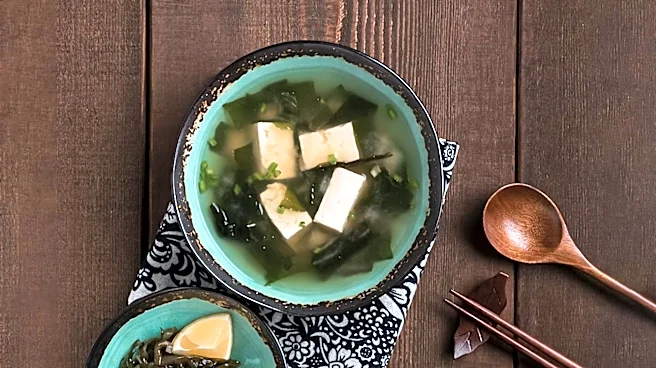
In Japan, the approach to healthy eating provides valuable insights, especially as the United States grapples with high obesity rates. Despite the popularity of fast food and junk food in Japan, the obesity rate is significantly lower compared to the U.S.
This difference is attributed to the Japanese diet, which emphasizes balance and portion control. Additionally, Japanese companies are actively involved in monitoring employee health, and schools play a crucial role in promoting healthy eating habits among children by designing nutritious lunches.
Why It's Important?
The stark contrast in obesity rates between Japan and the United States highlights the potential benefits of adopting certain aspects of the Japanese diet and lifestyle. For the U.S., where obesity is a major public health issue, learning from Japan's approach could lead to improved health outcomes and reduced healthcare costs. The emphasis on balanced meals and portion control, along with corporate and educational initiatives, could serve as a model for U.S. policymakers and health advocates seeking to address the obesity epidemic.
Beyond the Headlines
Beyond the immediate health benefits, adopting elements of the Japanese diet could lead to broader cultural shifts in the U.S. towards more mindful eating practices. This could influence food industry trends, encouraging the development of healthier food options and changing consumer preferences. Additionally, the focus on health monitoring by companies and schools in Japan could inspire similar initiatives in the U.S., promoting a more holistic approach to health and wellness.