




What's Happening?
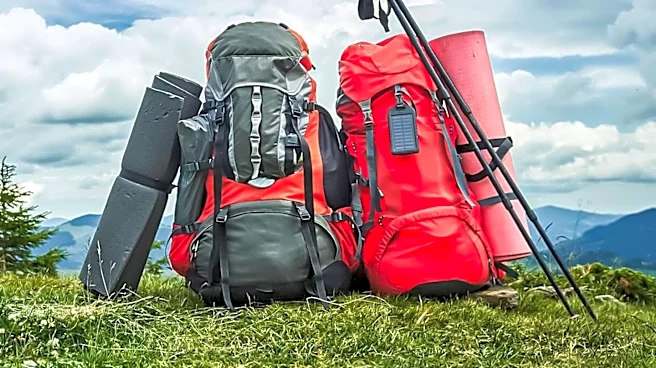
A recent article highlights a range of new outdoor gear designed to enhance the experience of adventurers, focusing on accessibility and sustainability. The North Face has introduced a collection that includes a three-person tent with features aimed at inclusivity,
such as magnetic closures and oversized pull tabs, making it easier for people with disabilities to enjoy outdoor activities. Additionally, the market is seeing innovations like the Optimus Gemini II stove, which offers powerful cooking capabilities in a lightweight design, and the Telo MT1 Electric Mini Truck, which combines compact size with significant payload and towing capacity. These products reflect a broader trend in the outdoor industry towards creating gear that is not only functional but also environmentally conscious and accessible to a wider audience.
Why It's Important?
The introduction of these innovative outdoor products is significant as it addresses the growing demand for gear that caters to diverse needs and promotes sustainable practices. By focusing on accessibility, companies like The North Face are making outdoor activities more inclusive, allowing individuals with disabilities to participate more fully. This shift towards inclusivity can lead to increased participation in outdoor activities, promoting physical health and well-being. Furthermore, the emphasis on sustainability, as seen in products like the Telo MT1 Electric Mini Truck, aligns with the increasing consumer demand for environmentally friendly options. This trend not only benefits the environment but also encourages other companies to adopt similar practices, potentially leading to industry-wide changes.
What's Next?
As the outdoor gear market continues to evolve, it is likely that more companies will prioritize accessibility and sustainability in their product designs. This could lead to a wider range of options for consumers, further enhancing the inclusivity of outdoor activities. Additionally, as consumer awareness and demand for sustainable products grow, companies may invest more in research and development to create innovative solutions that minimize environmental impact. This ongoing evolution in the outdoor gear industry could also influence other sectors, encouraging a broader shift towards sustainable and inclusive practices across various markets.
Beyond the Headlines
The focus on accessibility and sustainability in outdoor gear reflects broader societal shifts towards inclusivity and environmental responsibility. These developments may have long-term cultural implications, as they challenge traditional notions of who can participate in outdoor activities and how these activities impact the environment. By making outdoor experiences more accessible, these innovations can foster a more diverse community of outdoor enthusiasts, potentially leading to greater advocacy for environmental conservation and inclusivity in other areas of society.