
What's Happening?
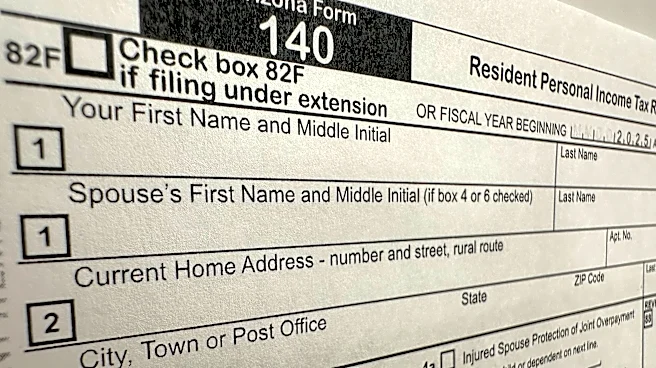
OpenAI has observed a substantial increase in the use of its AI chatbot, ChatGPT, for tax-related assistance as the U.S. approaches Tax Day. The company reported that tax-related queries on ChatGPT have
increased fourfold in the first quarter of 2026 compared to the same period in 2025. The primary topics of inquiry include earnings and withholdings, filing forms and using tax software, and investments and retirement reporting. Despite the growing reliance on AI, OpenAI has cautioned users that ChatGPT is not a substitute for professional tax advice. This trend is part of a broader increase in AI adoption for tax filing, with a survey by Adobe indicating a 136% rise in AI usage among U.S. workers from the previous year.
Why It's Important?
The increasing use of AI for tax-related queries reflects a shift in consumer behavior towards leveraging technology for complex financial tasks. This trend could disrupt the traditional tax preparation industry, potentially reducing the demand for human tax advisors. However, the limitations of AI in handling complex tax laws highlight the continued need for professional expertise. The reliance on AI also raises concerns about the accuracy and reliability of AI-generated advice, which could have significant financial implications for users.
What's Next?
As AI tools become more prevalent in financial and tax-related processes, there may be increased regulatory scrutiny to ensure accuracy and prevent misuse. Tax professionals may need to adapt by integrating AI into their services to remain competitive. Additionally, companies like OpenAI may continue to enhance their AI models to improve accuracy and expand their capabilities, potentially leading to broader applications in the financial sector.