






What's Happening?
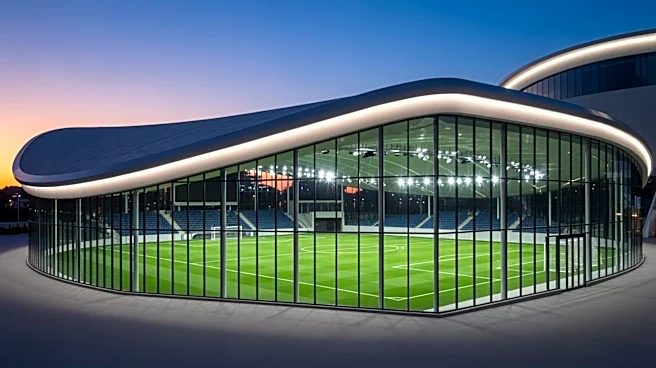
Brighton has announced plans to construct the first stadium in the UK and Europe specifically designed for women's football. The project, initially approved by the local council in October 2023, will be located on Bennett's Field, adjacent to the Amex
Stadium. The new stadium will have a minimum capacity of 10,000 and is expected to open by the 2030/31 season. Brighton's chairman, Tony Bloom, expressed excitement about the project, emphasizing its significance for women's football and the club's commitment to supporting female athletes. The stadium will feature facilities tailored for female athletes, including bespoke changing rooms and inclusive fan spaces. The construction is estimated to cost between £75m and £80m, with no outside investment being sought.
Why It's Important?
This development marks a significant milestone for women's football, highlighting the growing recognition and investment in the sport. By providing a dedicated venue, Brighton is setting a precedent for other clubs to follow, potentially leading to increased visibility and support for women's teams. The project underscores the importance of creating equitable facilities that cater to the needs of female athletes, which could inspire similar initiatives globally. This move could also shift the economic dynamics in sports, as it challenges the traditional prioritization of men's games due to financial considerations. The new stadium is expected to enhance the performance and experience of female athletes, contributing to the sport's growth and popularity.
What's Next?
The construction of the stadium is set to begin soon, with the aim of completing it by the 2030/31 season. As the project progresses, it may prompt other clubs and organizations to consider similar investments in women's sports infrastructure. The success of this initiative could lead to increased sponsorship and media attention for women's football, further boosting its profile. Stakeholders in the sports industry, including governing bodies and sponsors, may need to reassess their strategies to accommodate the rising prominence of women's sports. Additionally, the project could influence public policy and funding decisions related to sports infrastructure and gender equality in athletics.
Beyond the Headlines
The establishment of a purpose-built stadium for women's football raises important cultural and ethical considerations. It challenges long-standing gender biases in sports and promotes inclusivity by providing facilities that cater specifically to female athletes and their supporters. This initiative could lead to broader societal changes, encouraging more young women to participate in sports and pursue careers in athletics. It also highlights the need for continued advocacy and investment in women's sports to ensure equal opportunities and recognition. The project may serve as a catalyst for discussions on gender equality in other areas, such as media coverage and sponsorship deals.