





What's Happening?
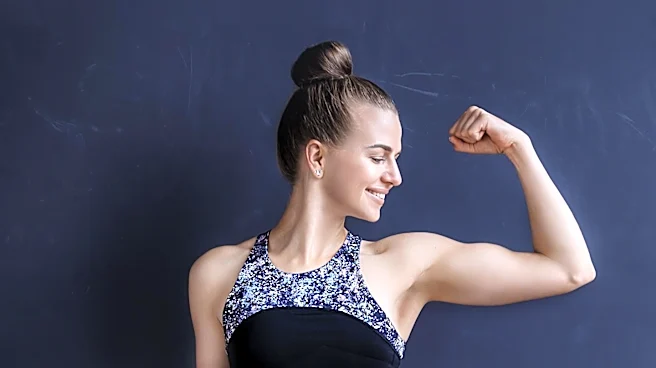
Elizabeth Smart, known for her advocacy work following her abduction in 2002, has achieved top honors at the Wasatch Warrior bodybuilding competition in Salt Lake City. Competing in her fourth bodybuilding show, Smart participated in the Fit Model division,
securing first place in the novice category, third in the Masters 35+ category, and second in Class D. Smart shared her journey on Instagram, expressing pride in her body and the challenges it has overcome. She emphasized the importance of embracing new experiences and living life to the fullest, despite initial fears of judgment due to her advocacy background.
Why It's Important?
Elizabeth Smart's participation in bodybuilding represents a significant personal victory and a broader message of empowerment for survivors of trauma. Her success in the competition challenges societal perceptions of survivors and advocates, demonstrating resilience and the ability to redefine one's identity beyond past experiences. Smart's journey encourages others to pursue new goals and experiences, promoting a narrative of healing and self-acceptance. Her achievements in bodybuilding also highlight the sport's role in personal transformation and empowerment, offering a platform for individuals to celebrate their physical and emotional strength.
What's Next?
Elizabeth Smart's continued involvement in bodybuilding may inspire other survivors to explore new avenues for personal growth and empowerment. Her success could lead to increased visibility and support for survivors in sports and other public arenas. As Smart qualifies to return to the national stage, her journey may attract further media attention, potentially influencing public discourse on survivor advocacy and personal transformation. Additionally, her story may encourage organizations to provide more support and resources for survivors seeking new challenges and opportunities.
Beyond the Headlines
Smart's participation in bodybuilding raises important questions about societal expectations and the stigma surrounding survivors of trauma. Her decision to compete challenges traditional narratives, advocating for a broader understanding of healing and self-expression. This development may prompt discussions on the role of sports and physical fitness in recovery and empowerment, encouraging a more inclusive approach to survivor advocacy. Furthermore, Smart's journey underscores the importance of mental health support and community resources for individuals overcoming trauma, highlighting the need for continued efforts in these areas.