




What's Happening?
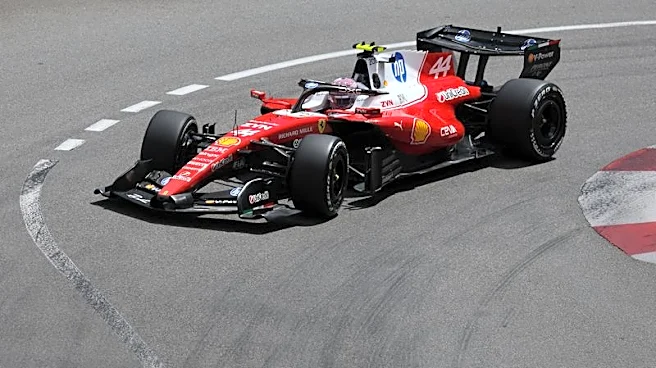
The FIA has announced that Mercedes and Ferrari will receive engine upgrades for the 2026 Formula 1 season under the Additional Development and Upgrade Opportunities (ADUO) system. This decision follows the assessment that Red Bull currently possesses
the most powerful engine in the competition. Mercedes, being more than two percent behind Red Bull's power unit, is eligible for one engine upgrade this year. Meanwhile, Ferrari, along with Audi and Honda, will receive two upgrades as they are more than four percent behind. Red Bull, having developed their own engine for the first time, will not receive any upgrades. The ADUO system is designed to allow teams trailing in engine performance to catch up, without altering the fundamental balance of performance. The FIA's decision is based on a performance index that considers various engine metrics, although the exact details are not disclosed to the public.
Why It's Important?
This development is significant as it highlights the competitive dynamics within Formula 1, where engine performance is crucial for success. Red Bull's dominance in engine power sets a high benchmark, pushing other teams to innovate and improve. The upgrades granted to Mercedes and Ferrari could potentially alter the competitive landscape, allowing them to close the gap with Red Bull. This move also underscores the FIA's role in maintaining a competitive balance in the sport, ensuring that no single team has an overwhelming advantage. The decision could impact team strategies, sponsorships, and the overall excitement of the races, as fans and stakeholders anticipate closer competition.
What's Next?
The FIA plans to conduct two more ADUO reviews later this year, which will influence the 2027 season. These reviews will take place after the Hungarian Grand Prix in July and the Mexico City Grand Prix in November. Teams like Mercedes and Ferrari will likely focus on utilizing their upgrade opportunities effectively to enhance their engine performance. The ongoing developments could lead to strategic shifts in team operations and resource allocation as they aim to maximize their competitive edge. Additionally, the financial mechanisms associated with the cost cap for power-unit manufacturers will play a crucial role in how teams manage their budgets and development plans.