



What's Happening?
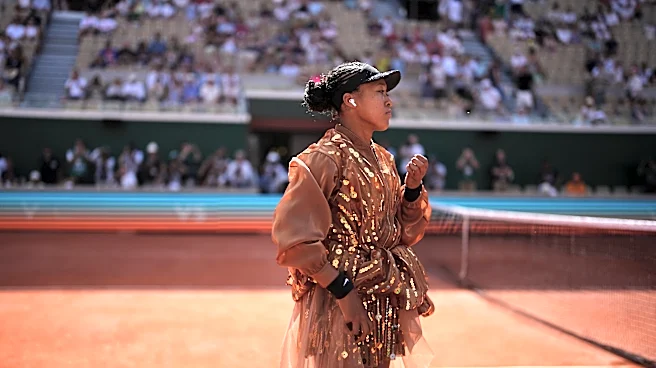
Aryna Sabalenka and Naomi Osaka are set to compete in the first women's night match at the French Open since 2023. This fourth-round match marks a significant shift in the tournament's scheduling, which has predominantly featured men's matches in the evening
slots. Sabalenka, the current world number one, is aiming for her first title at Roland Garros, while Osaka, a former world number one, is also a four-time Grand Slam champion. The decision to feature this match in the night session reflects the high-profile nature of the players involved, both of whom have made significant impacts in the sport. Osaka has previously commented on the evening slots, noting that she does not typically associate the French Open with night matches.
Why It's Important?
The inclusion of Sabalenka and Osaka in the night session is a notable development in the French Open's scheduling practices, which have historically favored men's matches for prime-time slots. This change could signal a shift towards greater gender equality in tennis, providing more visibility and recognition for women's matches. The decision to feature two prominent players in the night session highlights the growing popularity and marketability of women's tennis. It also offers an opportunity for the sport to reach a wider audience, potentially increasing viewership and engagement. This move may encourage other tournaments to reconsider their scheduling practices and promote more balanced representation.
What's Next?
The match between Sabalenka and Osaka is expected to draw significant attention, both from fans and media. Depending on the outcome, it could influence future scheduling decisions at the French Open and other major tournaments. Stakeholders in the tennis community, including players, sponsors, and organizers, may advocate for more equitable scheduling practices. The performance of both players could also impact their rankings and future matchups. As the tournament progresses, the focus will be on how this change affects the overall dynamics of the event and whether it leads to more opportunities for women's matches in prime-time slots.
Beyond the Headlines
The decision to schedule a women's match in the night session may have broader implications for gender equality in sports. It challenges traditional norms and highlights the importance of providing equal opportunities for female athletes. This move could inspire other sports organizations to reevaluate their practices and promote inclusivity. Additionally, the increased visibility of women's matches may encourage young female athletes to pursue careers in tennis, contributing to the growth and development of the sport. The cultural impact of this decision extends beyond tennis, potentially influencing societal perceptions of gender roles and equality.